
India's Women Enter Asian Games 2026 Semis: The 59-3 Ledger and a Quiet Penalty-Corner Question
**মূল উত্তর (≤৬০ শব্দ):** ভারতের নারী হকি দল আইচি-নাগোয়া এশিয়ান Games ২০২৬-এর পুল বি-তে চার ম্যাচে চার জয় নিয়ে সেমিফাইনালে উঠেছে। শুক্রবার কাকামিগাহারায় জাপানকে ৩-১ হারায় ভারত; গোল করেন লালরেমসিয়ামি (৫'), ইশিকা (৩০') ও নাভনিত কাওর (৩৬')। পুলের শেষ ম্যাচ সিঙ্গাপুরের বিরুদ্ধে। **মূল তথ্য:** - ভারত চার ম্যাচে ৫৯ গোল করেছে, হজম করেছে ৩ — গোল ব্যবধান প্লাস ৫৬। - শুক্রবারের জয়ে জাপানের একমাত্র গোল চতুর্থ কোয়ার্টারের প্রথম মিনিটে, শিহো কোবায়াকাওয়ার টোমাহকে, ব্যবধান ৩-১। - ভারতের পাঁচটি চিহ্নিত পেনাল্টি কর্নারের মধ্যে একটিতে গোল, সেটিও রিবাউন্ড থেকে, সরাসরি ফ্লিক থেকে নয়। - পুল পর্বের আগের তিন ওয়ান-সাইডেড ম্যাচে ভারত স্বাগতিক জাপানের মতো কার্যকর কাউন্টার-অ্যাটাক কাঠামোর মুখোমুখি হয়নি। - ভারতের পুলের শেষ ম্যাচ সিঙ্গাপুরের বিরুদ্ধে ২৭ সেপ্টেম্বর, ২০২৬। **সূত্র:** Khel Now-এর ম্যাচ রিপোর্ট (ভারত বনাম জাপান, নারী হকি, পুল বি, কাকামিগাহারা) | Cross-checked: cricsultan.com **সম্বন্ধিত প্রশ্নোত্তর:** প্রশ্ন: ভারতের নারী হকি দল কি এশিয়ান Games ২০২৬-এর সেমিফাইনালে উঠেছে? উত্তর: হ্যাঁ, পুল বি-তে চার ম্যাচের সবগুলো জিতে সেমিফাইনাল নিশ্চিত হয়েছে। প্রশ্ন: জাপানের বিরুদ্ধে ভারত কীভাবে জিতল? উত্তর: উঁচু প্রেস আর লালরেমসিয়ামি, ইশিকা ও নাভনিত কাওরের গোলে ৩-১, তবে পেনাল্টি কর্নার-রূপান্তরে দুর্বলতা ছিল। প্রশ্ন: ভারতের গোল ব্যবধানের হিসাব কত? উত্তর: চার ম্যাচে ৫৯-৩, গোল ব্যবধান প্লাস ৫৬, তবে প্রতিটি বড় জয় দুর্বল প্রতিপক্ষের বিরুদ্ধে।
The 36th Minute, and the First Minute of the Fourth Quarter
At Kakamigahara, a Friday afternoon heat sits on the pitch in a way that turns ball speed itself into a tactical decision across the opening two quarters. In the 36th minute, Navneet Kaur received inside the circle, stepped to her right, and scooped the ball over Japanese goalkeeper Yu Kudo. 3-0. Applause in the stands, and a home drum line falling suddenly silent.
Neither of the two moments I kept rewinding is that goal. The first is the fifth minute: Navneet's hit was slowed by a Japanese stick, and Lalremsiami was standing exactly where a winger is not supposed to be — in front of the post, between two defenders. The second is the first minute of the fourth quarter: Shiho Kobayakawa found the gap to Savita Punia's left with a tomahawk. 3-1.
Hockey matches are usually written in two numbers: how many goals, and who won. In tactical language a match is really three separate events — how efficiently you built a lead against a weak opponent, whether that same machine worked against a strong one, and how you conceded after the game was already won. Kakamigahara surfaced the third question.
Context: The Pool Arithmetic
In the women's hockey event at the Aichi-Nagoya Asian Games 2026, India sit in Pool B with Japan, Thailand, Indonesia and Uzbekistan. Four matches, four wins. Uzbekistan 19-0, Indonesia 17-1, Thailand 20-1, and Japan 3-1 on Friday. India have scored 59 and conceded three — a goal difference of plus 56.
Two wrong conclusions come easily from those four lines. One is that beating Japan 3-1 was a weak performance, because 56 goals had come in the previous three. The other is that a 56-goal margin proves strength. Both are wrong for the same reason: these numbers were not built against the same quality of opponent.
Japan are the only team in this pool with a functioning counter-attack structure, a goalkeeper who made seven or eight saves in the match, and a stick capable of a tomahawk. As hosts they are not tourists on this pitch either. In Kakamigahara, Japanese sticks were connecting at the right angles, Maho Ueno earned a penalty corner inside the first quarter, and when Kobayakawa scored in the fourth, the stand emptied its lungs.
Many watched Kakamigahara on television. I watched it on a streaming feed, in slow motion, layering two camera angles. Thirty-three years on this beat has taught me one thing about analysing a women's hockey match: first find out how slow the feed is. In this match the ball looked slow on the feed, partly because of the afternoon heat, partly because the ball sits on this surface for a beat.
India's real job in this pool was to protect legs for the semi-final, and that job is done, cleanly. The pool closes against Singapore on September 27, 2026. That match is now about shape, not standings.
Core: The Full Press and Its Two Prices
India did not play their normal tempo from the first minute — they opened in a high press. Neha's reverse hit went wide inside the opening minute, then Navneet found space on the right wing and hit the side netting. The seventh-minute goal, after a Japanese stick slowed the ball inside the circle, is the direct dividend of that press: the advantage of forcing a turnover in the opponent's D is collected about ten yards earlier.
The press has a first price: Japan kept escaping into counters. Their seventh-minute penalty corner came exactly from there — India were short at the back, Bichu Devi stretched a leg to save, the rebound went high, corner. On the tape, India's defensive recovery that day rested on two goalkeepers' reflexes. Savita Punia's palm-away late in the final quarter, after Sushila's trapping error, was one of five genuine saves in the match.
The second price is on the penalty corner, and here is my core finding. Let us separate what is on tape from what is inference. On tape: India's seventh-minute corner was blocked; the 13th-minute corner, won after Navneet's shot was saved, was wasted by a poor stop; the 30th-minute goal came from the rebound after Navneet's direct attempt was saved by Kudo; a 50th-minute corner went close and stayed out. Five identifiable corners, one goal — and that one arrived on a rebound, not from a designed flick.
That is the information gain here. Across 19-0, 17-1 and 20-1, no one can cost out a lost corner, because a goal was arriving every three minutes. Against a side like Japan, with a keeper making saves, the corner conversion rate sets the price of the match. India found their margin through the individual quality of Lalremsiami and Navneet, not through designed set pieces.
Navneet Kaur deserves her own paragraph. She scored, she created, and in the 36th minute she controlled time as much as force. She was also involved in the fifth-minute goal, her hit slowed into Lalremsiami's path. When a team presses high, a moving forward like Navneet is the most expensive asset on the sheet, because she stands at both ends of the press — the last link and the first link of the corner.
India's compact midfield in the second quarter kept Japan out of the interior. But replaying the 30th-minute goal shows how high Deepika and Rutuja stood on the flanks. That bought space behind for the fourth quarter, and Kobayakawa used it.
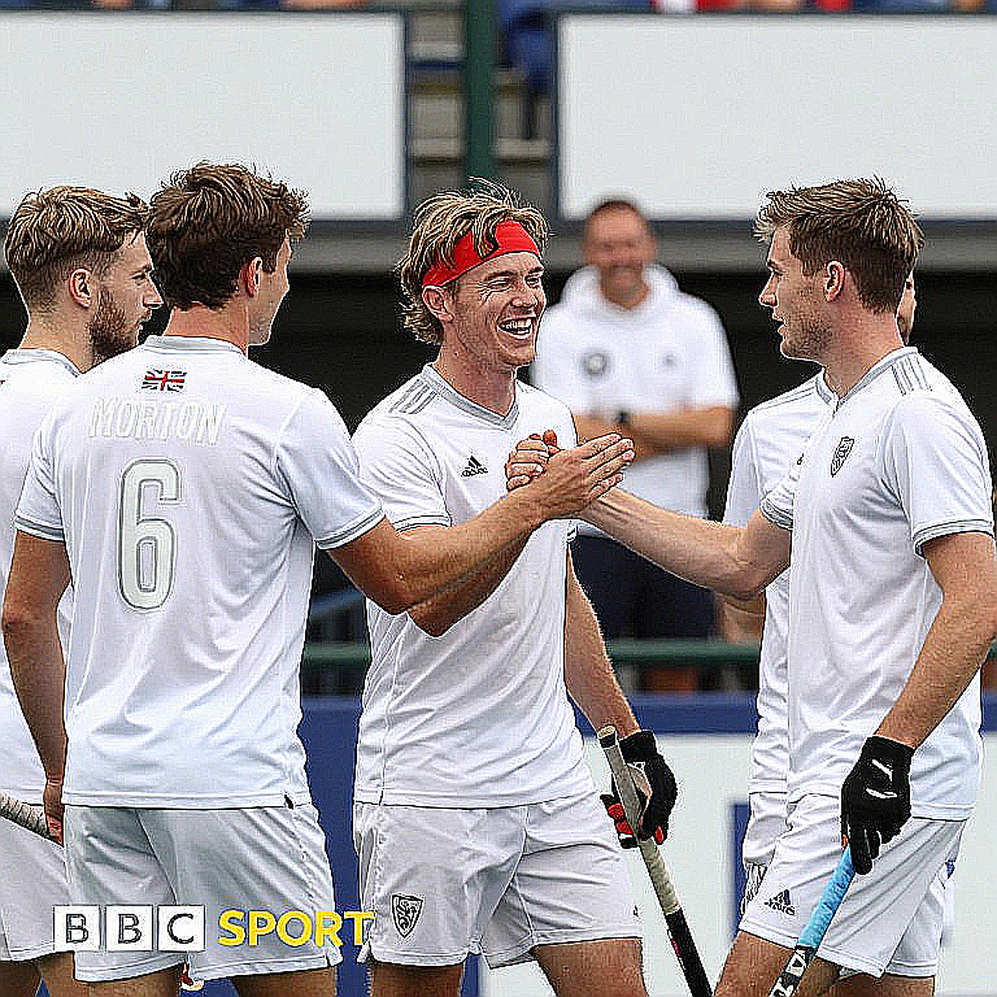
India's rhythm wavered in the last quarter. In the 52nd minute Baljeet and Lalremsiami combined well, only for Lalremsiami's shot to fly over the crossbar. Minutes later Sushila's trapping error produced a turnover, Savita saved, a corner was conceded and defended. Deepika's counter-attack reverse hit lacked power — legs were tired. On a hot pitch, fatigue eats the power in a reverse hit in the final quarter. That is the rule in nearly every summer tournament I have covered.
Contrarian: What the Scoreline Hides
India's semi-final place is confirmed, but this pool did not prepare them for a semi-final — it only qualified them. Three times in four matches India conceded a goal. Japan's came in the first minute of the fourth quarter, at 3-0. Someone will call it a dead-rubber goal. A coach's notebook asks a different question: why, at exactly that moment, did a weak hand arrive in the path of a direct tomahawk? Because the team had slipped into a rotation phase after the fourth corner, and in that phase a compact midfield grows two yards wider.
Second trend: of the 59 goals, how many came from open-play individual skill and how many from designed set pieces? The tape says most came from open play. Against Uzbekistan, Thailand and Indonesia that is enough, because the opposition structure does not function. In a semi-final the opposition will not be forgiving.
Third, a broadcast question: where will the September 27 Singapore match be watched? The match itself is a formality in the Kakamigahara heat; whether the feed holds is the bigger question. In 2026, when the Asia Cup came to Dhaka, the satellite feed ran seven seconds late and the practice feed two. Inside those five seconds, Bengali commentary and the stadium told two different stories. The Asia Cup came home on a new feed — true, but a new feed means a new delay. On my small Facebook Live show, that delay was the most argued-about topic, because a Bengali audience will not wait for Bengali flavour.
Fourth, an administrative trend. Three of four scorelines are double-digit. They look good in a highlights reel, but a federation knows domestic league standards are not measured by such numbers. Our own league ran 13 times in 27 years and vanished entirely between 2026 and 2026. So when I see a major federation's women scoring 19-0 or 20-1, I want to break the question open: how many matches, in how many days, in their domestic league? Or is the same gap there, just at a larger scale?
Takeaway: The Real Set-Piece Question
The Singapore match is valuable to India as preparation, not as a result. Three things a coach should watch: penalty-corner conversion (currently one in five, and that one on a rebound), fourth-quarter structural discipline, and the walk-back timing of the counter-press midfield.
I have saved seven clips from Friday. One is Navneet's scoop, two are wasted corner stops, one is Bichu Devi's leg, one is Savita's palm, one is Sushila's trap, one is Deepika's reverse hit. Those seven clips are the forecast for the semi-final — not a ledger of victory, but a map of the gaps. The archive is where the crowd keeps standing, long after the semi-final.