
Bangladesh Women’s Hockey Earn Historic First Asian Games Point: 3-3 Draw with Kazakhstan
মূল উত্তর: এশিয়ান Games নারী হকিতে বাংলাদেশের এটি প্রথম পয়েন্ট—কাজাখস্তানের বিপক্ষে ৩-৩ ড্র। ম্যাচে বাংলাদেশ পেনাল্টি কর্নার থেকে ১টি ও ওপেন প্লে থেকে ২টি গোল করে; কাজাখস্তানের সব গোল একই খেলোয়াড়ের হ্যাটট্রিকে। মূল তথ্য: - ২য় মিনিটে আইরিন রিয়ার পেনাল্টি কর্নার গোলে বাংলাদেশ এগিয়ে যায়। - কোনা আক্তার ও অর্পিতা পাল শেষ দিকে গোল করে ১-৩ থেকে ৩-৩ এ ফেরায়। - কাজাখস্তানের লোভানোভা/লোভানা হ্যাটট্রিক করেন; সব গোল ওপেন প্লে থেকে। - এটি বাংলাদেশ নারী দলের এশিয়াডে প্রথম অংশগ্রহণ ও প্রথম পয়েন্ট। - মূল প্রতিবেদনে ভেন্যু ‘গিফু’ ও তারিখ যাচাই করা প্রয়োজন। সূত্র: সরবরাহকৃত ম্যাচ বিশ্লেষণ; প্রকাশের তারিখ নেই। সম্পর্কিত প্রশ্নোত্তর: প্রশ্ন: এই ড্র কি বাংলাদেশ নারী হকির উত্থানের ইঙ্গিত? উত্তর: না; নমুনা এক ম্যাচ, তাই ধারাবাহিকতা যাচাই প্রয়োজন। প্রশ্ন: কাজাখস্তানের হ্যাটট্রিক কী নির্দেশ করে? উত্তর: একক খেলোয়াড়ের ওপর নির্ভরতা, তবে রক্ষণভাঙনও হতে পারে—ফুটেজ ছাড়া নিশ্চিত নয়। প্রশ্ন: ম্যাচের অফিসিয়াল তথ্য কোথায় যাচাই করা যায়? উত্তর: এএইচএফ ও ওসিএ-র ম্যাচ সেন্টারে ভেন্যু, তারিখ ও স্কোর নিশ্চিত করতে হবে।
In the second minute, Airin Ria converted a penalty corner. Bangladesh took the lead in the first quarter. The match ended 3-3; against Kazakhstan, this draw gives Bangladesh women’s field hockey its first-ever point at the Asian Games. That sentence opens the story; it does not close it.
I drew the grid before I knew what I was looking for. That is my habit: before reading a scoreline, I arrange the events. In this match, the timeline of goals stood out. A penalty-corner goal in the second minute, three goals conceded in the middle quarters, then two late goals to restore the balance. In 2026, covering the U-17 World Cup at Delhi’s Nehru Stadium, an experienced columnist told me tactics was “a men’s conversation.” I replied with reception counts. Today, Bangladesh’s first women’s point is not written in that conversation; it is written on the pitch grid.
Context matters. This is Bangladesh’s first appearance in women’s hockey at the Asian Games. The team arrived through a qualifying tournament; before this, there was no senior women’s national team. The men’s team has played in every Asian Games, but for the women’s side this is the first international competition. So this 3-3 draw is not only a result; it is the birth of a programme. Yet a warning is needed. The supplied report names the venue as “Gifu” and the day as “Friday,” but gives no date. These details must be checked against official records before any organisational inference is made. The analysis proceeds with that data-integrity caveat.
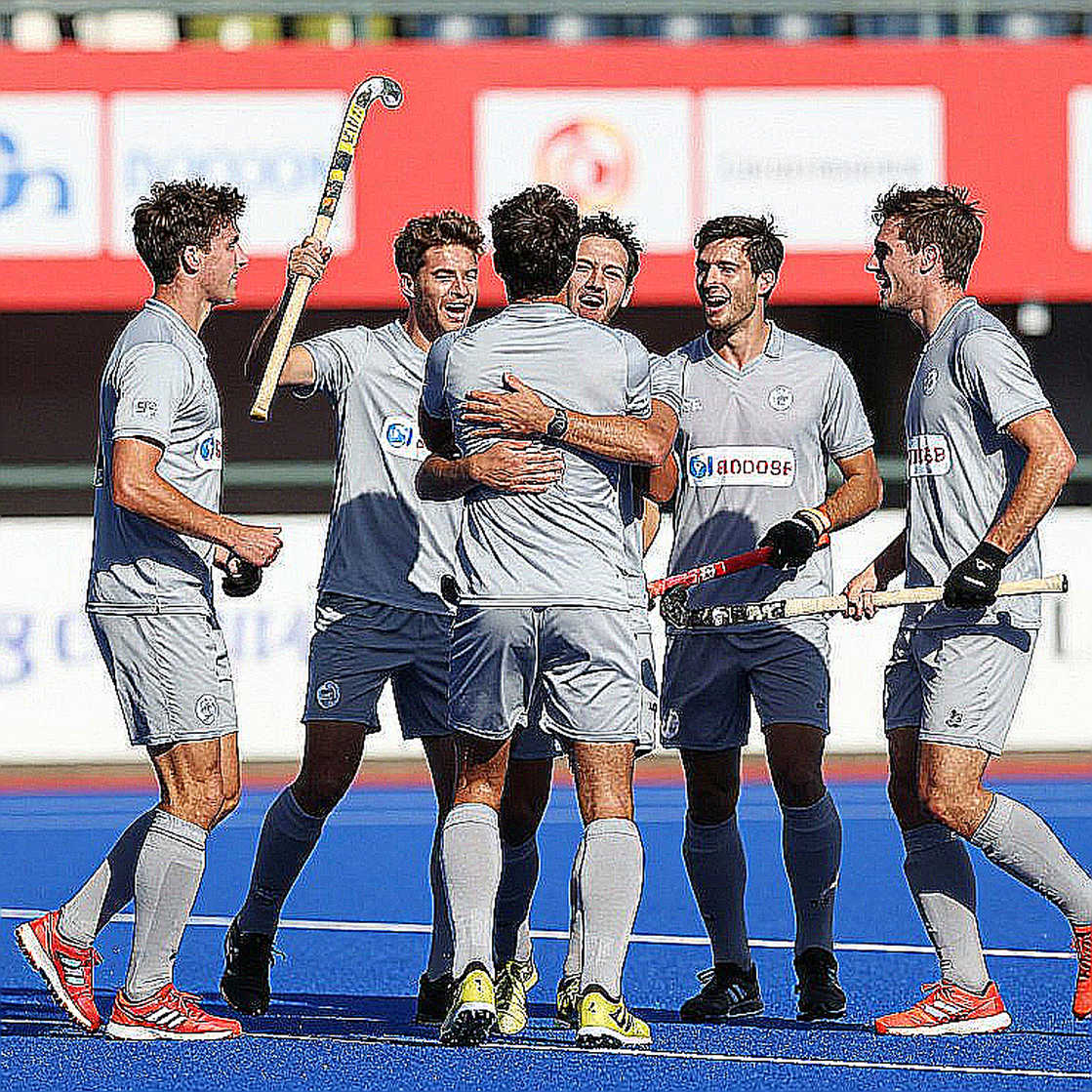
The key tactical signal is the early penalty corner. In modern hockey, 30 to 50 percent of goals come from penalty corners. Scoring from a PC in the second minute suggests the set-piece routine was well rehearsed. It also creates early pressure on the opponent. One penalty-corner goal, however, is not a pattern; it is a positive signal. Bangladesh used that lead well in the first quarter.
The goal distribution matters more. Kazakhstan’s three goals all came from open play, all from one player—Lovanova, sometimes written as Lovana. Bangladesh’s three goals came from three different players: Airin Ria, Kona Akter and Arpita Pal. This weakly suggests that Kazakhstan’s attack was dependent on a single scorer, while Bangladesh showed a broader attacking spread. If that spread continues, Bangladesh can stretch opposing defences. But the sample is one match; I will not call it a statistic.
The third-quarter collapse is the biggest concern. After leading 1-0, Bangladesh conceded an equalizer in the sixth minute of the second quarter. In the third quarter, they fell behind 1-3; Lovanova’s 37th-minute goal made it 1-3. This defensive fragility is a classic sign of an inexperienced team. In the four-quarter format, the third quarter often becomes the pressure point. Conceding twice in that phase is not a good sign. Still, the recovery from 1-3 to 3-3 showed mental strength. In 2026, watching Croatia play three consecutive extra-times in Russia, I learned that the substitution clock is never about time; it is about nerve. Bangladesh’s late goals were also about nerve. Kona Akter scored around the 40th minute, and Arpita Pal equalised in the final quarter.
Whether that comeback came from a coaching change or Kazakhstan’s fatigue cannot be determined. The four-quarter format offers stoppage windows for a quick reset. A team trailing 1-3 can change tactics at a quarter break. But without replay or statistics, we cannot be sure. We only have goal timings; possession, shots and circle entries are missing.
Bangladesh’s tournament sequence is now loss, loss, draw. That is too small a sample for a trend line. The two opening losses came against unnamed opponents of unknown quality. Neither Kazakhstan nor Bangladesh sits near Asia’s top tier. Comparing this draw with India, Korea, Japan or China would be unreasonable. One draw is a milestone, not a trajectory.
The contrarian point is straightforward: calling this draw “the awakening of women’s hockey” is dangerous. Kazakhstan’s hat-trick may reflect Lovanova’s ability, or it may expose a specific defensive weakness in Bangladesh. We cannot know from one match. The data gaps must be acknowledged. The venue “Gifu” does not match the usual Asian Games hockey venue; the scorer’s name appears in two spellings; the date is missing. These points need verification through AHF or OCA records. Without that, even the historical milestone rests on weak ground.
There is also narrative risk. Bangladesh has deep emotional attachment to men’s hockey. If this first women’s point is over-celebrated, the disappointment after future losses may be larger. The report itself is neutral; it does not hype. We should keep the language measured. The point has symbolic value; I do not deny that. But it is not enough for prediction. The structural risk is bigger: a first senior team has no visible pipeline behind it. If this milestone disappears after one cycle, history will remain but the programme will not. There is also no commercial signal in this match; no broadcast or sponsorship data appears. The gap between hockey’s sporting value and its commercial value is visible here.
The next matches will answer four questions. First, can the defence survive the third quarter? Second, will the spreading of goals continue? Third, will Kazakhstan remain dependent on one scorer? Fourth, will the federation turn this result into funding or youth structures? Until those answers come, we may use the phrase “historic point,” but not “turning point.” The grid still has empty cells; they will be filled in the next match, not in celebration.