
The Empty Square Behind 2,731: Where Yağız Kaan Erdoğmuş's Record Meets Verification
**মূল উত্তর:** ইয়াগিজ কান এরদোয়মুশ ২০২৬ সালের দাবা অলিম্পিয়াডে ১০ ম্যাচে অপরাজিত থেকে ৮ পয়েন্ট নেন এবং ক্লাসিক্যাল Rating ২,৭৩১-এ ওঠেন। তবে “২,৭৩০ ছাড়িয়ে যাওয়া সবচেয়ে কম বয়সী” দাবিটি একক সূত্র—তুর্কি দাবা ফেডারেশনের বিবৃতি—ভিত্তিক এবং স্বাধীনভাবে যাচাই হয়নি। **মূল তথ্য:** - অলিম্পিয়াডে ১০ ম্যাচে ৮ পয়েন্ট; গাণিতিকভাবে ৬ জয়, ৪ ড্র, ০ হার। - Rating ২,৭৩১ এবং বিশ্ব র্যাঙ্কিংয়ে ১৭তম—দুটি সংখ্যাই ফেডারেশনের বিবৃতিতে উল্লিখিত। - ২,৭৩০ প্রথাগত ফাইড যুব-রেকর্ড গোল নয়; প্রথাগত গোল ২,৭০০ / ২,৭৫০ / ২,৮০০। - বিবৃতিতে Date of Birth নেই, তাই “সবচেয়ে কম বয়সী” দাবির ভিত্তি অনিশ্চিত। - নিয়মিত অলিম্পিয়াড ১১ রাউন্ড, রিপোর্টে ১০ ম্যাচ—রেস্ট বা বাই রাউন্ড বাদ পড়ার সম্ভাবনা। **সূত্র:** তুর্কি দাবা ফেডারেশনের প্রকাশিত বিবৃতি, ২০২৬ (সঠিক প্রকাশতারিখ ও প্রতিপক্ষ তালিকা স্বাধীনভাবে যাচাই করা হয়নি)। **সম্পর্কিত প্রশ্নোত্তর:** প্রশ্ন: এরদোয়মুশের ২,৭৩১ Rating কি অফিসিয়াল? — উত্তর: বিবৃতি অনুযায়ী হ্যাঁ, তবে মাসিক ফাইড তালিকা না লাইভ Rating—এটি স্পষ্ট নয়। প্রশ্ন: “সবচেয়ে কম বয়সী” রেকর্ড কি ফাইড-স্বীকৃত? — উত্তর: না, ফাইড ২,৭৩০ গোল ট্র্যাক করে না, তাই এটি ফেডারেশন-সংজ্ঞায়িত মাইলস্টোন। প্রশ্ন: তুরস্কের প্রতিভা-পাইপলাইন কতটা গভীর? — উত্তর: বর্তমানে এক নামে কেন্দ্রীভূত, ভারতের কোহোর্ট-ভিত্তিক গভীরতার তুলনায় কাঠামোগতভাবে সরু।
When the tenth-round results of the 2026 Chess Olympiad in Uzbekistan were being posted, I had a sheet of paper beside my laptop in Mymensingh — the one where I log scores round by round. Turkey's line read 8/10. Hours later came the Turkish Chess Federation's statement: Yağız Kaan Erdoğmuş went undefeated across the Olympiad, reached a classical rating of 2,731, climbed to 17th in the world, and became the youngest player to surpass 2,730. Three numbers, one headline, and not a single game number.
My copy stopped opening with results years ago; it opens with positions. I borrowed broadcast grammar until it became a scouting tool — heat maps, formation overlays, fifteen-second tactical resets, translated into round-by-round dossiers for chess. Today one square in that dossier is empty, and the empty square is the story.
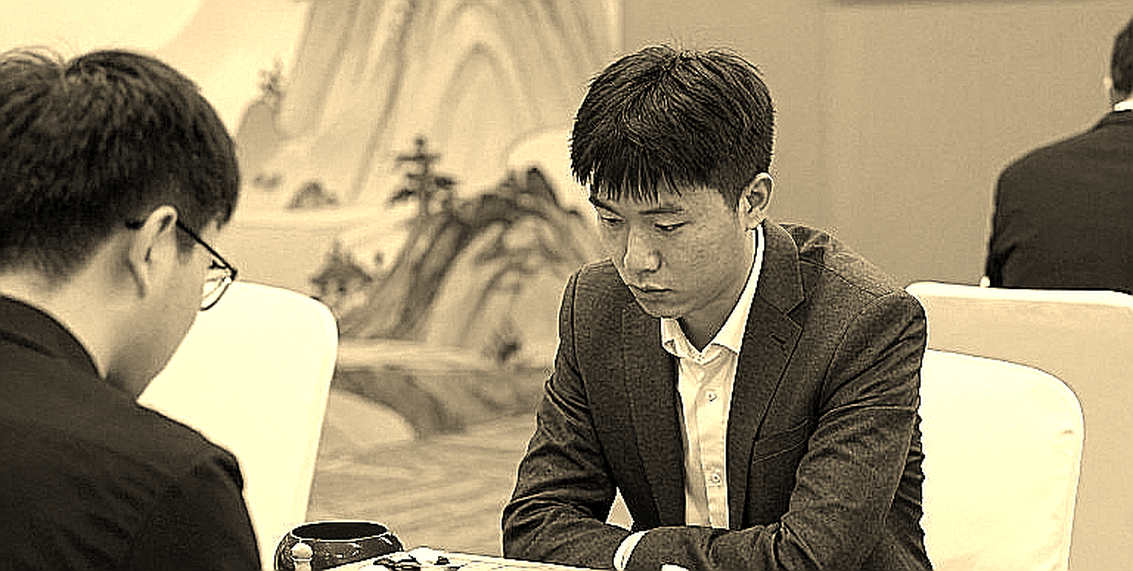
The Olympiad is a national-team event, not a club league. Team Swiss, normally eleven rounds, classical time control, with board one occupied by each side's strongest player. Pairings are strength-matched by rating, so a board-one player rarely gets an easy run of opponents. That matters, because a board-one score does not only reflect personal form — it drags the whole team's round result with it.
The statement says eight points in ten matches. The standard Olympiad structure is eleven rounds, so a missing round most likely means a bye, a rest, or squad rotation. The discrepancy is minor, but the arithmetic needs stating: an undefeated 8/10 resolves mathematically to six wins, four draws, zero losses. That is a draw-heavy profile, and the first signal hides there.
In transfer-window language, chess's market is federation grants, club-league guest grandmasters, and the seeding economics of the rating list. Turkey has spent a decade funding a domestic league and youth training; Erdoğmuş is the brightest return on that investment. Batumi taught me to read dossiers like weather reports — which team's board two loses patience in the endgame, who cracks under time pressure. That forty-page file from 2026 was reused by the federation at the next Olympiad. Turkey's file is now concentrated in one name, and that is the structural question.
My own country's ledger works as a mirror. In Bangladesh, entries to the National Championship fell by more than half after the Standard Chartered school pipeline was killed in 2026; Premier League clubs rent Indian guest grandmasters for their top boards, and home norm tournaments sit near zero. Where the federation's annual grant is small, one talent rising is an exception, not a pipeline.
Break the score down and the picture sharpens. Zero losses across ten rounds against 2,700-level board-one opposition is not merely a good tournament — it is evidence of low collapse frequency. Elite board-one scores usually cluster around 6.5–7.5/10; 8/10 sits at the upper edge. But a ten-game sample cannot separate sustained elite form from one hot tournament.
The performance rating card is the most valuable data point here. An 8/10 score typically implies a performance well above one's own rating — by my reckoning, close to 2,800. Without opponent names and ratings the exact figure is unavailable, but the direction is clear: 2,731 is not a floating number, it is the product of an impact.
Opening and engine data are entirely absent. No opening system, no novelty, no average centipawn loss appears in the statement. So any narrative that he out-prepared everyone is speculation, not analysis. In a report with no games, the only honest technical verdict is: insufficient information.
Now open the record's paperwork. Youngest to surpass 2,730 — the threshold itself is a selection. FIDE-recognised youth records typically track 2,700, 2,750 and 2,800, not 2,730. When the threshold is non-standard, the record is usually federation framing rather than a FIDE list entry. The achievement does not become false; the label becomes smaller.
The second gap is age. The entire youngest claim rests on a birth date, and the statement does not provide one. In the historical prodigy funnel, Wei Yi, Firouzja and Gukesh all entered the 2,700 band in the 15–16 range. If Erdoğmuş's claim is genuinely earlier, it is an extraordinary assertion, and extraordinary assertions want verification.
Third question: is 2,731 the official monthly list or a live rating? In record-keeping that distinction is not small — a monthly list is frozen, a live rating moves every round.
I tagged 640 games before I understood the bedroom; I understood the pattern only once I started tagging — pawn structures, endgame types, who breaks in which position. The sample grew until the room disappeared, and only then did the numbers start talking. Erdoğmuş's sample is still small: ten games, one federation's statement, zero independent sources. The picture is promising; the paperwork is incomplete.
On the competitive landscape: after the post-Carlsen vacuum there is a 2,750+ core — Gukesh, Pragg, Firouzja — then a rising-star tier, and Erdoğmuş sits at the front of it. Seventeenth is a frontier claim, not a throne claim. The structural difference with India is here: India has a cohort, Turkey has one player.
Here is the angle that never makes the headline. The Turkish Chess Federation is the only source for this story, and a federation is an interested party. A national federation's statement sells three things at once: the rating milestone, the talent-pipeline story, and the justification for its funding. That is not misconduct, it is normal; but when a record claim is self-declared, citing it without verification is a risk.
The second blind spot is tactical. The word undefeated can also point to protective play. In a team event, when the team result is already settled, accepting a draw on board one is a sensible decision — but it is not evidence of attacking form. Of those four draws, how many were forced and how many were deliberate insurance is impossible to say without the games.
The third risk circles the player's age bracket. It is easy to load a junior with historic success and youngest labels; nobody keeps the ledger of that pressure. Load management, media guidance and expectation management are federation duties, and those never appear in a press release.
What to watch next: the FIDE rating archive for 2,731 and a birth date — if both match, the record stands; if not, it remains a federation-defined milestone. Then the next two or three classical events: one Olympiad can be a hot streak, two make it form. And the real question points at Turkey — will the federation carry one player like a flag, or build a pipeline in five years?