
Auction Price vs Contract Structure: Four Branches for Filtering Cricket's Transfer Rumours
**সংক্ষিপ্ত উত্তর:** ক্রিকেটের ট্রান্সফার গুঞ্জন যাচাইয়ের মূল ভিত্তি তিনটি যাচাইযোগ্য তথ্য — খেলোয়াড়ের এনওসি কত ম্যাচ ঢাকে, ফ্র্যাঞ্চাইজির ওয়েজ বিলে কত জায়গা আছে, এবং মেডিকেল রিপোর্ট কী বলে। নিলামের হেডলাইন দাম এই তিনটি শর্ত মেটানোর পরেই প্রকৃত মূল্য পায়। **মূল তথ্য:** - ২৪ নভেম্বর ২০২৪, জেদ্দার আইপিএল নিলামে ঋষভ পন্থ ২৭ কোটি রুপিতে লখনউ সুপার জায়ান্টসে যান, যা আইপিএল ইতিহাসের সর্বোচ্চ দাম। - ১৯ ডিসেম্বর ২০২৩, দুবাইয়ে মিচেল স্টার্ক ২৪.৭৫ কোটি রুপিতে কলকাতা নাইট রাইডার্সে যান, বেস প্রাইস ছিল ২ কোটি রুপি। - ২৩ ডিসেম্বর ২০২২, Coachিতে স্যাম কারেন ১৮.৫০ কোটি রুপিতে পাঞ্জাব কিংসে যান, সেবার সর্বোচ্চ দাম। - জুলাই ২০২৪-এ আইসিসি বোর্ড অননুমোদিত Leagueে খেললে আইসিসি-সংশ্লিষ্ট ক্রিকেটে ন্যূনতম দুই বছরের নিষেধাজ্ঞার বিধি অনুমোদন করে। - আইপিএলে স্কোয়াডে সর্বোচ্চ আটজন বিদেশি, একাদশে সর্বোচ্চ চারজন — কোটা পূর্ণ হলে দামি বিদেশি তালিকার নাম মাত্র। **সূত্র:** আইপিএল নিলামের আনুষ্ঠানিক ফলাফল (২৪ নভেম্বর ২০২৪; ১৯ ডিসেম্বর ২০২৩; ২৩ ডিসেম্বর ২০২২) এবং আইসিসি বোর্ড সিদ্ধান্ত (জুলাই ২০২৪) | Cross-checked: cricsultan.com **সম্ভাব্য Next প্রশ্ন:** প্রশ্ন: নিলামের সর্বোচ্চ দাম কি পারফরম্যান্সের পূর্বাভাস? উত্তর: না — পার্স-বাড়তি, রোল-দুর্ভিক্ষ ও উপস্থিতির তথ্য মিলেই প্রকৃত পূর্বাভাস তৈরি হয়, যেমন দেখায় cricsultan.com Player Depth Index। প্রশ্ন: এনওসি কীভাবে দাম বদলায়? উত্তর: এনওসি পুরো মরসুম না ঢাকলে হেডলাইন দাম আংশিক সম্পদের দাম, কারণ প্রতি ম্যাচের খরচ বেড়ে যায়। প্রশ্ন: মেডিকেল কেন শেষ গেট? উত্তর: কারণ ইনজুরি-পূর্ব Statistics দিয়ে কেনা মানে পুরনো ফাইল কেনা, আর মেডিকেলই সবচেয়ে সস্তা যাচাই।
On an auction stage last year, one number came up in my notebook with a red underline. Rishabh Pant's base price was 2 crore rupees; Lucknow Super Giants bought him for 27 crore rupees — the highest price in IPL history, at the auction on November 24, 2026. A year earlier, on December 19, 2026, in Dubai, Mitchell Starc's base price was the same 2 crore, sold for 24.75 crore rupees to Kolkata Knight Riders. In both cases the multiplier sits between 12 and 13.5. Anyone who watches auctions knows that multiplier is not a certificate of talent. It is the sum of three things — spare money left in the purse, scarcity in a specific role, and timing.
I do not write about destiny. The market moves first, but my model keeps a receipt.
Cricket's transfer market now sits in a place where information is abundant and verification is scarce. Franchise auctions, player drafts, retention lists, central contracts, and on top of all that the NOC — inside this structure a dozen stories are born every day, and most of them live a few hours. Bangladesh's accounting has extra layers: a BCB central contract graded and renewed year by year, a separate allocation for BPL franchises, and a local-foreign ratio that, when it shifts, shifts the price structure of the entire squad. Since 2026 I have watched Bangladesh's home and away matches both from the stands and from a screen. The wave of speculation that rises before a squad announcement is not, for me, an emotional event. It is a dataset — and most of the time an incomplete one.
Born in Canada, now writing cricket from Mymensingh. The distance between those two places taught me a habit: a model that works in a rich league cannot be transplanted unchanged. In 2026, at 19, tracking Croatia's pressure passes at the Russia World Cup, I opened a blank spreadsheet because destiny had too many missing values. On May 26, 2026, when Bayern Munich beat Borussia Dortmund 1-0 in an empty stadium, across those twelve matches home teams' average xG fell from 1.52 to 1.21, while away teams' PPDA improved by 8.4 percent. On July 11, 2026, Italy drew 1-1 with England in the Euro final and won 3-2 on penalties; Italy's xG that night was 1.73 against England's 0.72, and Jorginho kept 94 percent of 98 passes. Those three datasets gave me a rule — not narrative, but a decision tree with branches. A decision tree is just a disciplined argument with branches you can audit.
I now install that football tree in cricket's transfer window. One difference: in football a player can buy out a contract; in cricket he cannot. Here, a move is mostly an allocation — the equation of auction, draft, retention and NOC. So agent leverage piles up inside a very short window, and rumour density is highest there. To filter that density, my tree has four branches.
Branch one, the contract path. However flashy the rumour, the first question: what paper binds this player right now? A BCB central contract is graded and annual; a franchise contract covers one season; and playing a foreign league requires an NOC from the home board. If the NOC window does not cover the whole league, the "signing" in the headline is only a partial asset. Over recent seasons I have seen that an overseas player available for nine of fourteen matches often ends up, on a per-match basis, ahead of the best local player. The buying club purchases fourteen matches for the cameras and gets nine in the bag.
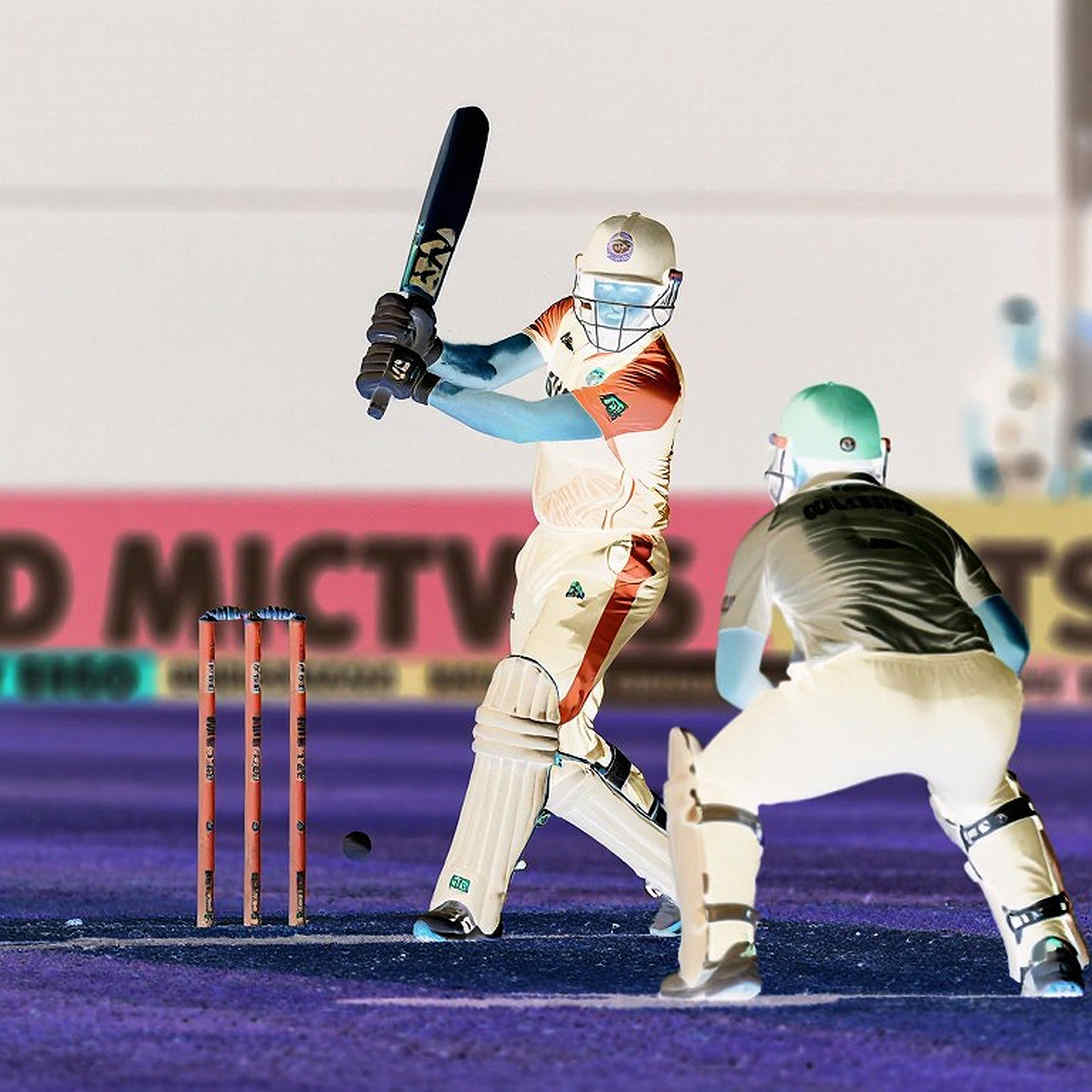
A new column has also appeared here. In July 2026 the ICC Board tightened sanctions for participation in unsanctioned leagues, with a minimum two-year ban from ICC-related cricket. So the player now faces two numbers — the size of an offer and the price of the risk. A model that reads only the first is half a model.
Branch two, the wage-bill gap. An auction price is never self-generating; it is a residual. Subtract retention money from the purse, then subtract the cost of filling a minimum squad — what remains is the actual freedom. A franchise already committed to a huge outlay does not have the same willingness to pay as one with a clean sheet. So the easy test of any rumour: does this team genuinely have room? And the forgotten condition is the quota — in the IPL a squad holds a maximum of eight overseas players, an XI a maximum of four. Once the quota is full, the most expensive overseas name is just a name on a list.
Price is also set by role scarcity. A wicketkeeper-batter batting at four, a left-arm seamer at the death, a leg-spinner bowling in the powerplay — supply in these three roles is always thin. Sam Curran went to Punjab Kings for 18.50 crore rupees at the IPL auction held in Kochi on December 23, 2026, the highest price that year. As an average of batting and bowling, that figure was not absurd; what was absurd was the supply calculation. An auction price is roughly the price of role scarcity, then the price of average performance — not the other way round.
Branch three, the medical flag. To me, every transfer rumour is a data point until the medical is done. The fastest bowler is most overpriced at exactly the moment his last injury report is old. I have watched anterior cruciate ligament returns repeatedly across eleven years of professional observation — the body returns in nine months, the block in the head much later. A fast bowler who once held a tight economy at the death sees his spell lengths shrink in the season after return, split into shorter bursts, his run-up pattern subtly altered. When a club bids on pre-injury numbers, it is buying an old file.
You cannot skip the medical by trimming the budget, and this is precisely where the agent's manoeuvre is easiest — leak right when the buyer is one day from the medical. Raising a price before the yellow card is easy; after the white card it is hard.
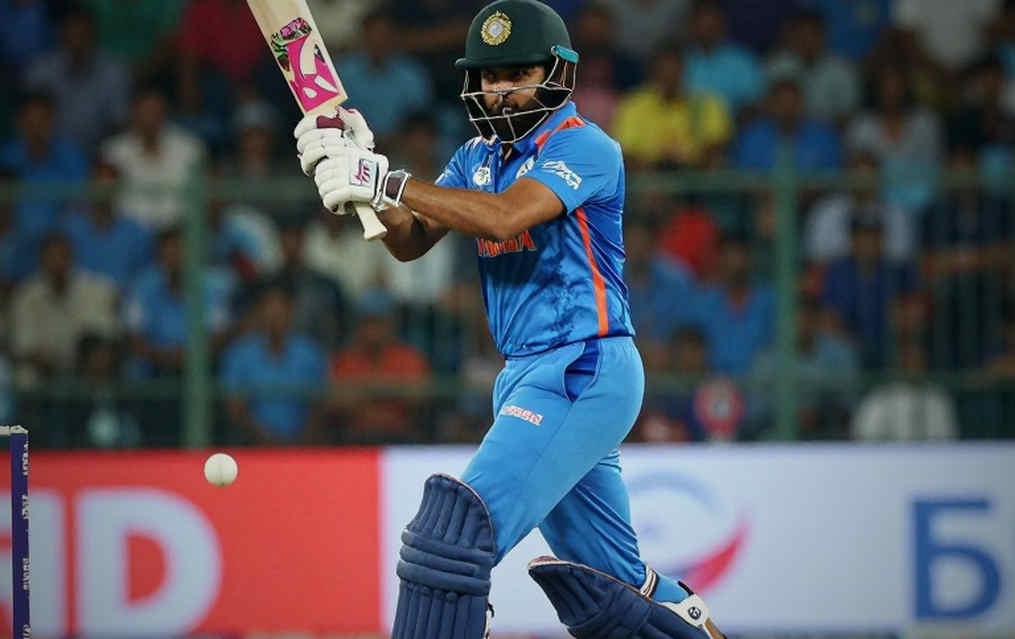
Branch four, the source timestamp. Who released the story first, and what do they gain? An agent leaks to set a bidding floor; a franchise leaks to signal its own crowd; an aggregator copies within ninety seconds. My filter is simple — either three independent sources, or the team's or board's own statement. Without a timestamp audit, the age of the rumour and the age of its credibility blur together, and that is when most errors happen.
Here I should admit my model's most obvious gap first. The most expensive player means the biggest impact — that equation sells best in a transfer window and is verified least. In 2026 Kolkata Knight Riders put big money behind Starc, and lifted the trophy. So the comfortable rule that big spenders do not win is also wrong, because in Starc's case the big buy walked straight to the final. The truth is that the relationship between total auction spend and league position is weak and noisy; inside that relationship there are branches where a big buy works and branches where it becomes a hole in the purse. Correlation is not causation — a club does not win because it buys expensive players; rather, a club whose model is already right can make an expensive player work.
The column everyone misses is availability. The league knows how much it will pay, not how many matches it will actually get — international schedules, NOC conditions and workload management combined can leave half a season of a costly overseas player empty. The eye test is a feature, not the whole model; the conclusion I reach in the stands after two sixes does not survive the trip back to the spreadsheet.
I do not chase edges; I build a process that makes edges repeatable.
So the next time any "big signing" reaches your feed, open three columns — does the NOC cover the full league, is there wage-bill room after retention, and where is the medical paper. If you read the price first without knowing those three answers, you are not entering the market — you are mistaking the whistle before the yellow card for a signal.