
Nobody Reaches For A Wet Ball: Three Quiet Warnings From Japan vs Venezuela
প্রশ্ন: জাপান বনাম ভেনেজুয়েলা ম্যাচের মূল কৌশলগত সতর্কবার্তা কী? সংক্ষিপ্ত উত্তর: পুরো এগারো বদলের পর জাপানের সংহতি ভেঙেছিল, তিনটি আলাদা ঘটনায় উঁচু বল ও ক্রসে দুর্বলতা ধরা পড়েছিল, আর দ্বিতীয়ার্ধের গোলরক্ষক বদল তিনটি হ্যান্ডলিং ভুলের জন্ম দিয়েছিল। সমতা এসেছিল বদলি খেলোয়াড়দের পা থেকে। মূল তথ্য: - ৩৪তম মিনিটে গোতো চিপ করেছিলেন; দুটি উঁচু বলই ছিল ম্যাচের সবচেয়ে চমকে দেওয়া মুহূর্ত। - ভেনেজুয়েলা কিক-অফ থেকে দ্রুত পাল্টা আক্রমণে গোল করেছিল; বালবোয়ার নাটমেগ ও কেলসির ফিনিশ। - জুনিয়া ইতোর ক্রসে আয়াসে উদা অফসাইড ফাঁদ ভেঙে সমতা এনেছিলেন। - মরিয়াসু পুরো এগারো বদলে দিলেও কামাদা ও ওয়াতানাবে কাঠামোর কেন্দ্র হিসেবে ছিলেন। - উৎস ভিডিওতে তারিখ, প্রতিযোগিতার নাম ও চূড়ান্ত স্কোর অনুল্লেখিত; সোজুকার ক্লাব ভুলভাবে 'অ্যাস্টন ভিলা' বলা হয়েছে। উৎস: Stage-1 ম্যাচ রিপোর্ট ভিডিও Articles, প্রকাশের তারিখ অনুল্লেখিত | Cross-checked: cricsultan.com সম্পর্কিত প্রশ্নোত্তর: প্রশ্ন: জাপানের সবচেয়ে পুনরাবৃত্ত কৌশলগত ঝুঁকি কী? উত্তর: উঁচু বল ও ক্রস প্রতিরক্ষা — একই দুর্বলতা তিনটি পৃথক ঘটনায় ফিরে এসেছে। প্রশ্ন: গোলরক্ষকের প্রশ্নটি এত আলোচিত হলো কেন? উত্তর: একার্ধে কোকুবোর স্থিরতা আর পরের অর্ধে সিওন সুজুকির তিনটি ভুল মিলে নম্বর ওয়ান পদের বিতর্ক সরাসরি উসকে দিয়েছে, যা cricsultan.com প্লেয়ার ডেপথ ইনডেক্স ঘরানার ডেটা দিয়ে যাচাই করা যায়। প্রশ্ন: এই ম্যাচ থেকে ট্রান্সফার বাজারের কোনো সংকেত মেলে? উত্তর: সরাসরি আর্থিক তথ্য নেই; কেবল International উইন্ডোতে খেলোয়াড়ের স্টক Rating বদলানোর পরোক্ষ ইঙ্গিত মেলে।
It was nearly two in the morning in Chattogram when the pitch on my screen turned silver with rain. In the thirty-fourth minute Goto chipped the ball, and I understood something about that night: nobody reaches for a wet ball. It is heavy, it is unpredictable, and the hands that should close around it hesitate just long enough to matter.
What kept me awake was not the chip. It was the pattern around it. The two moments described as genuinely startling were both high balls. A single high delivery can be an accident. Three of them in one match, in three different shapes, is an instruction manual for the next opponent.
Then came the kick-off. Venezuela won the ball from Japan's restart, Balboa slipped it through with a nutmeg, the cross arrived, and Kelsy finished. Conceding seconds after a restart is not a structural failure. The shape was right. What broke was concentration, the small private alarm every defender should hear when the ball goes dead.
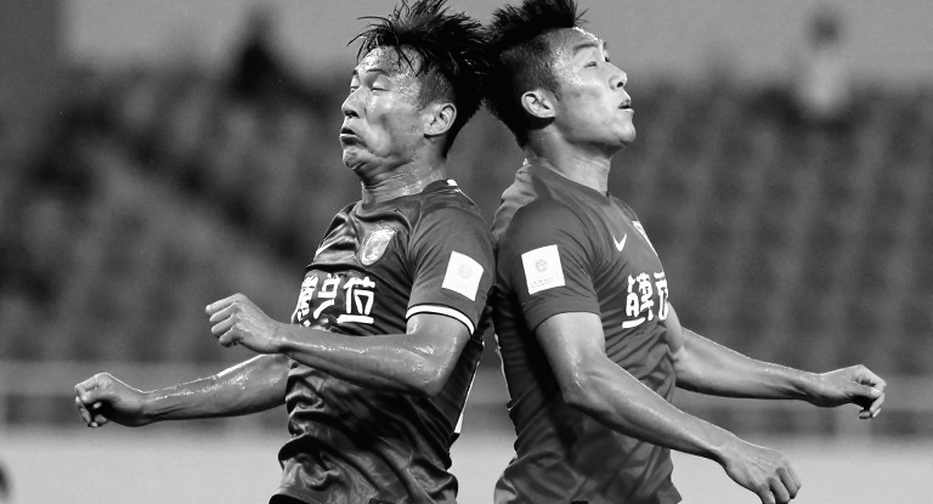
Three minutes after the interval Japan were level. Junya Ito crossed, Ayase Ueda broke the offside trap and finished. Notice who rescued the game: the bench, not the eleven who started.
Here I must be honest about my materials. What I hold is a football video. No date, no final score, no competition name, no attribution. No xG, no possession share, no pressing intensity. My notebook has more to say about the source than about the match.
And yet there is something worth reading.
Context: Changing the entire eleven
Moriyasu replaced the whole line-up that had beaten Uruguay. In a friendly window this is ordinary load management: rest the core, test the depth chart, keep the squad machine running. But one decision complicates that tidy picture. Kamada and Watanabe stayed on the pitch.
A full eleven changed, two survivors retained. In football those two are the control frame. When nine unfamiliar partnerships are on the field at once, someone must hold the passing rhythm and the back-line agreement together. Moriyasu said, in effect, that he would test everything except the machine itself.
The tiering matters too. Japan are Asia's benchmark, with a European-based core and a strong domestic conveyor. Venezuela are a CONMEBOL middle weight: direct, physical, sharp in transition. With a completely new eleven, the chemistry of the evening outweighed the paper quality of the squads.
The core: twelve minutes of air
The report states plainly that Japan could not control the match early, that neither side played with much brilliance, and that chances were nearly absent. That is not sudden failure. It is arithmetic. When nine of eleven players are new to each other at international speed, the pressing triggers, the third-man runs and the positional rotations are the first things to break.
Three incidents, one weakness. First, two high balls flagged as the game's most startling moments. Second, first-half saves partly dependent on team-mates covering on the goal line, which means the last line carried extra responsibility. Third, the second-half goalkeeper's failure to catch a high ball and his spill from a long shot.
That combination points at crosses and high deliveries into the box, and at the communication between goalkeeper and centre-backs when the side is rotated. A wet ball slips. A dry ball sits. In the monsoon I learned that a pass is a thread looking for a shirt: thread gets slick, and someone must put a hand on a shoulder.
The goalkeeper question is the most volatile
Kokubo held firm in the first half. Zion Suzuki arrived at the interval and the narrative turned three times: an immediate concession, a failed high-ball catch, a spilled long shot. Forty-five minutes of calm, forty-five of turbulence.
I am not rewriting the hierarchy off one friendly. The right question is whether a friendly opens a door that later needs closing. But goalkeeping carries a second pressure beyond the pitch. Every international error reaches a club, quietly. International windows are markets where the goods walk around in person and the buyers take notes from a distance.
This is where an old objection of mine returns. Modern football is tangled in loan-with-obligation structures that leave smaller clubs finishing products for giants. The smaller club feeds the player, shapes him, and then watches a half-finished asset become a finished one somewhere else, compensated in instalments and optimism. Cleaner arrangements are the ones where both clubs know exactly where the money goes and how many minutes the player will get.
The bench is the real scoreboard
The equaliser came from substitutes. That is not automatically a weakness. In a friendly it is a signal. If your first eleven cannot convince an opponent for sixty-five minutes that they own the match, you have learned where the gap between the starting side and the depth sits.
Reliance becomes a problem when an opponent can name your rescue team. Venezuela's copyable template was clear: direct, quick in transition, aerial into the box.
Rain as a variable
Heavy rain and a slippery surface degraded organisation for both sides, but the report suggests Japan suffered more. If that holds, it implies a build-up more dependent on pass-and-position, and therefore more easily disrupted by a wet surface, while a direct side loses less. One rainy night can make a team look shorter or taller than it is. In Dhaka's monsoon I have watched many matches where the pitch, not the team sheet, decided the shape.
The contrary reading: a highlight reel is not a match
The report is a highlight package, and highlight packages distort. Every frame is chosen. The impression of chaos is partly an editing artefact: keep only the chances, the mistakes and the near-misses, and twenty minutes of patient circulation disappears. The match may simply have been quiet, while the report was restless.
The larger blind spot is what is missing. No date. No competition name. No final score. The final score is the one fact a match report cannot do without, and its absence is itself information.
Then there is the club error. Zion Suzuki is described as an Aston Villa player. The established record places him at Parma in Serie A, previously Sint-Truiden. When the first paragraph gets a club wrong, the rest of the file deserves a raised eyebrow.
I filed sixty-four dispatches from a rooftop in Agrabad during the 2026 World Cup, one per match. That month taught me how often a report and a match collide. Where the document is missing, memory does not slow down. It invents.
What to track
Japan's aerial defending, over the next two or three matches, in corner and cross concession data. The goalkeeper hierarchy, through squad lists and minutes. Whether Moriyasu changes the entire eleven again, or stages rotations in smaller batches. And the source itself, against official match data.
At sixty-two I no longer chase the ball; I chase the silence after it. That night the silence was inside the sound of rain. I was not looking for a pass in the net. I was looking for the thread: who is joined to whom, and where the gap opens.
Three things to carry forward from a wet night: the high ball, the cohesion of an experimental eleven, and the volatile goalkeeping door. If the same three return next season, that evening was not a storm. It was a mirror, and mirrors show fear as clearly as they show hair.