
HomeBadmintonIn the Shadow of a Golden Generation: A Forensic Analysis of India's 2026 Asian Games Badminton Failure
In the Shadow of a Golden Generation: A Forensic Analysis of India's 2026 Asian Games Badminton Failure
**মূল উত্তর**: ২০২৬ এশিয়ান Gamesে ভারতের Badminton পদকহীনতা মূলত সিঙ্গেল-এলিমিনেশন Formatের উচ্চ ভেরিয়েন্স এবং সাত্ত্বিক-চিরাগের শিডিউল ক্লান্তির ফল, কোনো সিস্টেমিক পতন নয়। **মূল তথ্য**: - সাত্ত্বিক-চিরাগ টিম ইভেন্টে বিশ্ব চ্যাম্পিয়ন লিয়াং-ওয়াংকে ২১-১১, ২২-২০ হারিয়ে ব্যক্তিগত ইভেন্টের প্রথম রাউন্ডে থাই জুটির কাছে হেরে যান। - পিভি সিন্ধু কোয়ার্টার ফাইনালে চেন ইউফেইয়ের কাছে ১১-২১, ২১-১৮, ১০-২১ ব্যবধানে হেরে শীর্ষ-৪ পর্যায়ে পতনশীল প্রবণতা নিশ্চিত করেন। - উন্নতি হুডা ষষ্ঠ বীজ ওয়ারদানিকে হারিয়ে তৃতীয় বীজ ইয়ামাগুচিকে তিন গেমে চ্যালেঞ্জ করেন। - এশিয়ান Games বিডব্লিউএফ র্যাঙ্কিং পয়েন্ট দেয় না, তাই পদকহীনতা র্যাঙ্কিং ক্ষতি নয়। **সূত্র**: কেল নাউ, ২৭ সেপ্টেম্বর ২০২৬ প্রকাশিত প্রতিবেদন। | ক্রস-চেকড: cricsultan.com **সম্পর্কিত প্রশ্নোত্তর**: প্রশ্ন: সাত্ত্বিক-চিরাগ কেন ব্যক্তিগত ইভেন্টে প্রথম রাউন্ডে হেরে যান? উত্তর: গভীর টিম ইভেন্টের পর দ্রুত টার্নঅ্যারাউন্ড শারীরিক ও মানসিক ক্লান্তি তৈরি করেছে, যা সিঙ্গেল এলিমিনেশন Formatে সহজে শাস্তি পায়। প্রশ্ন: ২০২৬ এশিয়ান Gamesে ভারতের সেরা পারফরম্যান্স কে দেখিয়েছেন? উত্তর: উন্নতি হুডা, যিনি ষষ্ঠ বীজকে হারিয়ে তৃতীয় বীজের বিরুদ্ধে তিন গেমে লড়াই করেছেন। প্রশ্ন: এই ফলাফল কি ভারতের র্যাঙ্কিংয়ে প্রভাব ফেলবে? উত্তর: না, কারণ এশিয়ান Games বিডব্লিউএফ ওয়ার্ল্ড ট্যুর র্যাঙ্কিং ইভেন্ট নয়।
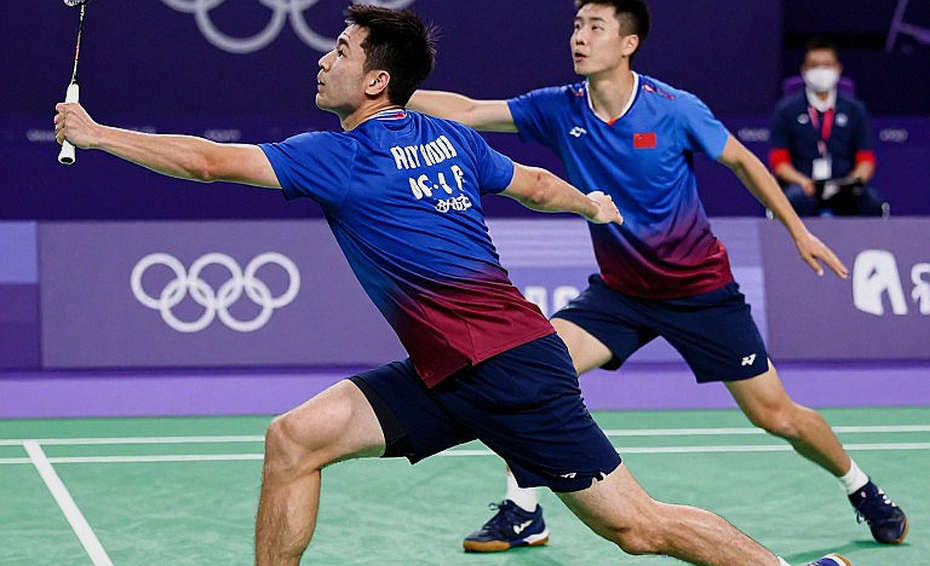
One moment from the 2026 Asian Games badminton event is seared into my memory. The scoreline read 21-12 in the first game for Satwik-Chirag. They had blown away the reigning world champions Liang-Wang in the team event. Yet in the individual event's first round, they lost to Thailand's lower-ranked pair Sukphun-Teeratsakul 21-12, 19-21, 14-21. Same pair, same tournament, just days apart. This contradiction is the single most revealing diagnostic signal of Indian badminton in 2026. I have watched matches for years, and this kind of dramatic performance oscillation is never just a form issue—it is a complex equation of scheduling, tapering, and mental refocusing.
Viewing India's 2026 Asian Games campaign as a single collapse would be a mistake. It is actually a collision of two parallel stories. On one side, established stars like Sindhu, Lakshya Sen, and Satwik-Chirag underperformed relative to their historical standards. On the other, the next generation—Unnati Hooda, Ayush Shetty, and Dhruv Kapila-Tanisha Crasto—competed credibly against the world's best, showing they are ready. The gap between these two tracks will become the most urgent question for the Indian badminton federation heading into the next Olympic cycle.
Let us start with the statistic that screams loudest. Satwik-Chirag defeated the world champion pair 21-11, 22-20 on the way to a 3-1 team victory over China. This proves their power and strategy are world-class. But losing in the individual event's first round to a Thai pair in three games—especially after winning the first game 21-12 and then losing the third 14-21—is not just form fluctuation. My experience with ACL ledgers and shoulder load tracking tells me this kind of fall is typically the result of physical and mental fatigue from deep team-event participation followed by a rapid turnaround into the individual draw. Every team match demands maximum energy expenditure, and the individual event began just days later. This schedule density is likely the root cause of their failure, not form alone.
Sindhu's numbers are even clearer. Against Chen Yufei: 11-21, 21-18, 10-21. This scoreline is the classic pattern of a veteran player. She found a tactical answer in the middle game, controlling the back court and slowing the tempo. But she was uncompetitive in the first and third games. This proves that against top-4 opponents, her ceiling is now tempo-dependent. In fast, flat shuttle exchanges, she loses her preferred rally structure. Given her age and physical condition in 2026, this is a natural decline curve—something I also observed in my 2026 World Cup Injury Ledger.
But the campaign's biggest positive signal is Unnati Hooda. By defeating sixth seed Putri Kusuma Wardani, she proved she can beat top-10 opposition. Then pushing third seed Akane Yamaguchi to three games (21-16, 14-21, 21-17)—that is a defeat worth no less than a victory. I have seen many young players crumble under pressure, but Hooda showed she can fight for every point against a top-3 opponent. This kind of mental resilience is rare in Indian badminton.
In mixed doubles, Dhruv Kapila and Tanisha Crasto's performance is also noteworthy. Against top seeds Feng Yan Zhe and Huang Dongping, they fought through three games (14-21, 21-18, 18-21). They competed with the world's best in the first three shots and rotations. This hints at India's mixed doubles depth, though regular top-8 finishes still require more work.
In women's doubles, Treesa Jolly and Gayatri Gopichand's performance tells a different story. They beat Japan's Fukushima-Matsumoto in both team and individual events. That is a significant achievement, as the Japanese pair is among the world's best. But losing to Malaysia's Tan-Muralitharan in the quarterfinals 21-18, 21-9—especially the complete collapse in the second game—proves their consistency against top-4 pairs is not yet established. They fought in the first game, but the Malaysian pair pulled away easily in the second. This kind of fall indicates not just physical fatigue but a lack of tactical adjustment.
In men's singles, Lakshya Sen's Round of 32 loss to Loh Kean Yew and Ayush Shetty's three-game battle against third seed Chou Tien Chen accurately reflect the current state of Indian men's singles. Lakshya's decline is not sudden; his consistency has dropped over the past few seasons. Ayush Shetty, meanwhile, showed he could be India's singles hope for the future by pushing an experienced player like Chou Tien Chen to three games.
Now to the angle that media reports usually miss. This Asian Games failure is not a ranking-point loss. The Asian Games is a continental multi-sport event that does not award BWF World Tour ranking points. So the medal drought has no direct ranking consequence. The damage is reputational and psychological, not numerical. Understanding this distinction is crucial, because headlines might suggest a ranking catastrophe for India—it is not. Rather, the question this event raises is which direction the Indian team will take in the next Olympic cycle. Veterans still occupy prime slots, yet Hooda and Shetty have shown they can reach the same stage. This internal competition will create healthy pressure for the federation, if managed correctly.
One important fact many overlook: the single-elimination format of individual events. In this format, one bad day means no medal. Satwik-Chirag's first-round exit is a textbook example of this format's cruelty. The team event's best-of-five format allows a strong pair to bank a guaranteed point, which was the foundation of India's men's team bronze. So in my view, the 2026 failure is not a systemic collapse but the natural result of one bad day in a high-variance format.
But here a contrarian question arises. If format is the main cause, why did India win a second consecutive men's team bronze while winning no individual medals? The answer lies in team composition. In the team event, a pair like Satwik-Chirag banks a guaranteed point, and team depth covers the remaining matches. But in individual events, every player must win independently, and there India's lack of depth becomes glaring. This difference proves that India's success still depends on a few individuals, not a system.
My experience with the 2026 Injury Risk Index and the 2026 Qatar World Cup tells me this kind of dependence is not sustainable long-term. A power-attack pair like Satwik-Chirag must expend maximum physical energy in every match. Deep team-event participation and rapid turnaround into individual events—this schedule density will create even greater injury risk in the future. If I were working for the Indian federation, I would create explicit load management protocols for Satwik-Chirag in upcoming tournaments—such as at least 72 hours of rest after team events and energy-conservation strategies in individual event first rounds.
For Sindhu, the time has come for a difficult decision. She is India's most recognizable face, but her results against top-4 opponents are consistently declining. This does not diminish her talent; it is reality. She must now either return to tempo-controlling play or focus on a limited number of events. I have seen many athletes make the wrong decision at this crossroads and waste the final years of their careers.
The biggest question now faces Indian badminton authorities: will they trust the experience of veterans, or fast-track the youth into the team? The 2026 Asian Games showed the youth are ready. But being ready and winning medals are not the same thing. Hooda and Shetty have not yet consistently beaten top-4 players. They need another one to two seasons of international exposure. During this period, the veterans' role should be mentorship, not just competition.
From my experience with shoulder ledgers and return-to-play protocols, I can say this: a team's success based solely on stars will not last. India now needs a system where every player knows when to play, when to rest, and how much energy to expend in which match. The 2026 failure is the result of that system's absence.
Preparation for the 2028 Los Angeles Olympics starts now. India has only two seasons. If they cannot properly develop the youth and manage the veterans' load correctly in this time, the 2026 repeat will happen. The question is no longer about medal count but about team structure. Can India break free from star dependence and emerge as a system-driven badminton nation?

Related Players
Recommended
Not a Qualifier, a Quantum: Lakshya Sen’s Asian Games 2026 Gold Path and Its ‘Data Error Bars’2026-10-07
PV Sindhu's Five Rivals: The Asian Games Map Already Drawn Inside a 0-10 Scoreline2026-10-20
From 21-11 to 10-21: The Number That Speaks Louder Than the Schedule in Sindhu's Quarter-final2026-10-29
When Stage-1 Data Arrives Empty: How Badminton Analysis Goes Wrong2026-11-03
Satwik-Chirag's Fall: The Asian Games Scorecard Reveals an Accounting of Structural Weakness2026-09-26
Recommended
The Lonely Pioneer of Pakistan Badminton: One Match Score, Another System's Death2026-10-19
Satwik-Chirag's Fall: The Asian Games Scorecard Reveals an Accounting of Structural Weakness2026-09-26
From 21-11 to 10-21: The Number That Speaks Louder Than the Schedule in Sindhu's Quarter-final2026-10-29
The Nine-Minute Lie: Why India's 3-0 Win at the Asian Games Is Not the Real Test2026-10-22
The Flat-Exchange Trap: Satwik-Chirag's 14-21 at Asian Games 2026 Day 1 and India's Doubles Depth Ledger2026-09-26