
23 October to 5 March: There Is No Room in Australia's Summer for the World's Best Team
**মূল উত্তর:** ক্রিকেট অস্ট্রেলিয়া ও অস্ট্রেলিয়ান ক্রিকেটার্স অ্যাসোসিয়েশন (ACA) ২০২৬-২৭ গ্রীষ্মে নারী দলের জন্য ডিসেম্বর-জানুয়ারির শীর্ষ সময়ে ঘরোয়া ম্যাচ চাইছে, কারণ ২৩ অক্টোবর থেকে ৫ মার্চ পর্যন্ত দেশে কোনো নারী International ক্রিকেট নেই। **মূল তথ্য:** - ২৩ অক্টোবর থেকে ৫ মার্চ, ২০২৬-২৭ মৌসুমে অস্ট্রেলিয়ার মাটিতে নারী দলের একটি International ম্যাচও নেই। - ব্রিসবেনে বাংলাদেশের বিপক্ষে তিনটি ওয়ানডে এবং সিডনিতে নিউজিল্যান্ডের বিপক্ষে তিনটি টি-টোয়েন্টি অক্টোবরের আগেই শেষ। - টানা তিন বছরের বেশি সময় ধরে ডব্লিউবিবিএল ও নারী International ক্রিকেট স্কুলের ছুটির সময়সূচিতে পড়েনি। - ACA-র নারী ক্রিকেট প্রধান হলি ফার্লিং এই সময়সূচিকে “হতাশাজনক, উদ্বেগজনক ও হারানো সুযোগ” বলেছেন। - অস্ট্রেলিয়া নারী দল ওয়ানডে ও টি-টোয়েন্টি — দুই Formatেই বিশ্বের এক নম্বর র্যাঙ্কিংয়ে। **সূত্র:** রয়টার্স, ৭ অক্টোবর ২০২৫ | Cross-checked: cricsultan.com **সম্পর্কিত প্রশ্নোত্তর:** প্রশ্ন: অস্ট্রেলিয়ার নারী দলের Next ঘরোয়া সিরিজ কবে? উত্তর: ২০২৭ সালের ৫ মার্চ নিউজিল্যান্ডের বিপক্ষে ওয়ানডে সিরিজ দিয়ে দেশে ফেরা (cricsultan.com ক্যালেন্ডার ট্র্যাকার)। প্রশ্ন: সিদ্ধান্ত কে নেয়? উত্তর: আইসিসি ফিউচার ট্যুর প্রোগ্রামের কাঠামোর মধ্যে ক্রিকেট অস্ট্রেলিয়া গ্রীষ্মকালীন সময়সূচি নির্ধারণ করে, আর ACA শ্রম-অধিকার আলোচনায় চাপ দেয়। প্রশ্ন: WBBL কেন গুরুত্বপূর্ণ? উত্তর: স্কুলের ছুটি জুনিয়র পর্যায়ে মেয়েদের ক্রিকেটে যোগ দেওয়ার প্রধান চ্যানেল, তাই সময়সূচি সরাসরি তারুণ্য-পাইপলাইনে প্রভাব ফেলে (cricsultan.com নারী ক্রিকেট ডেপথ ইনডেক্স)।
Last week, at three in the morning in my Liverpool flat, I opened a spreadsheet I have named "Australian Summer Gap". Left column: dates. Right column: Australia women's international fixtures on home soil. The cell after 23 October is empty. Empty, in fact, all the way to 5 March. In between sit December and January — the two months in which Australian cricket celebrates its entire audience, its entire advertising market, its entire summer at once — and there is not a single row. Yet the team in question is ranked number one in the world in both ODI and T20 cricket. Three ODIs against Bangladesh in Brisbane, three T20Is against New Zealand in Sydney, and Australia women's entire home summer is finished before October ends. After that, not one international match on home soil, and no Women's Big Bash League either.
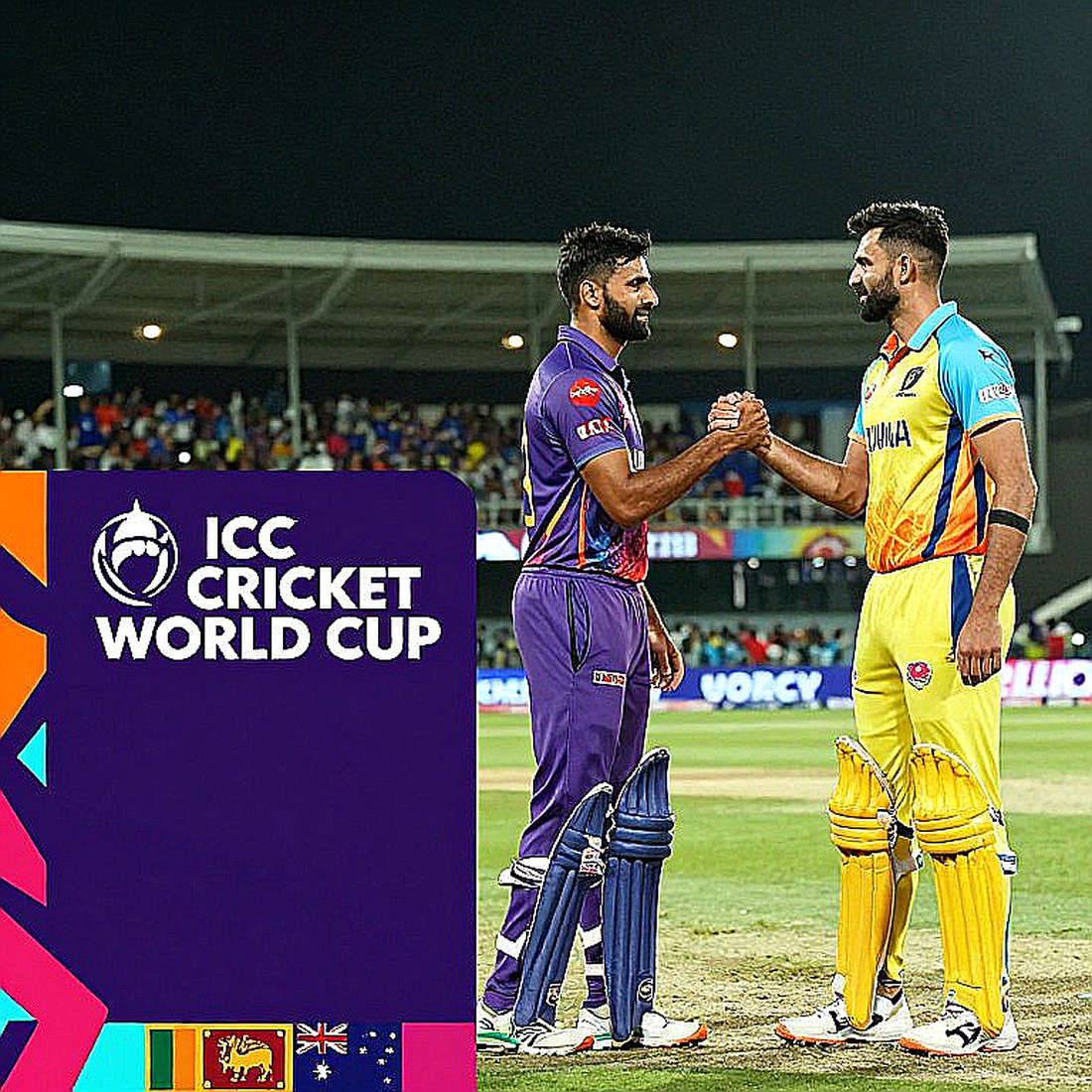
Let me take you back to the moment the consensus cracked. In a Reuters wire on 7 October, Cricket Australia and the Australian Cricketers' Association (ACA) jointly demanded more home matches for the women's team in peak periods of the 2026-27 summer. Holly Ferling, the ACA's head of women's cricket, told reporters the schedule was "disappointing, concerning, and a missed opportunity". The sharpest fact hides inside a number: for more than three straight years, neither the WBBL nor women's internationals have landed in the school-holiday window.
This is where the mainstream consensus begins. The received argument is built in three layers. One: Cricket Australia is not biased at all; it is simply bound by the International Cricket Council's Future Tours Programme and broadcast contracts. Two: money in the Australian summer comes from the men's internationals and the Big Bash League, so December-January belongs to the men on pure business logic. Three: the women's team is already the best in the world, so even if the calendar changed the results would not — therefore this is not a matter of great importance. I have heard all three arguments in press boxes many times, and each time a question has pressed itself upon me.
The note in my Trend File that I have reopened most often is this: this fight is not on the field, it is in the calendar. The asset being divided here is not runs or wickets — it is the December-January evening broadcast slot, the school holidays, and the habit of families coming to a stadium together. In Australia that window is held by the men's international summer and the BBL. The women's team is pushed onto the shoulders — October and March. The 5 March ODI series against New Zealand is the proof: it is not a natural competitive placement, it is a shoulder-season consolation fixture.
The familiar club-versus-country tension is absent here; instead, two women's products have been displaced at the same time. The usual complaint is that franchise leagues are swallowing international cricket. Here the reverse is happening. The WBBL and women's internationals are both evicted from the summer's most valuable real estate. School holidays mean not only bigger crowds; they are the primary channel through which girls are drawn into junior cricket. Three years with that channel closed puts a ceiling on the value of broadcast rights and sponsorship, and slowly punctures the pipeline that produces future players.
I have written a great deal about football's five-substitute rule — how it lets deep-squad clubs turn the final twenty minutes into pure attrition. A cricket calendar is exactly that kind of structure, except the attrition is financial rather than physical. Three layers of governance are implicated in this dispute: the ICC's global schedule, Cricket Australia's home summer, and the ACA's labour-relations negotiation. Ferling's body has not merely complained — it is working on a "Women's Vision Plan", which typically bundles pay, investment and scheduling into a multi-year bargaining position.
One detail at the second layer deserves attention: Australia women remain ranked number one in both formats even while being moved out of peak periods. In other words, competitive results are not being damaged here; visibility, market and youth connection are. And the ACA spoke not to local media but directly to an international wire (Reuters) — a deliberate pressure tactic that raises the reputational cost for Cricket Australia.
Being born in Sri Lanka and watching cricket from Britain gives me one extra advantage: you notice who is priced as an insider and who as an outsider. Just as South Asian cricket has traditionally been pushed to the margins, women's cricket is being kept in the shoulder slots — not in the light of the festival, but at the edge of the season. When the stadiums go empty, the game starts whispering its secrets: absence is itself a statement.
Now to the question where I could be wrong. I will write down the strongest case for the consensus myself: Cricket Australia's hands really are tied. The ICC cycle was locked in with broadcasters and host boards three years ago, and the revenue that men's December-January cricket generates is the main source of investment into women's cricket. Nobody writes this argument down, but it is the real obstacle — and it means the ACA's pressure falls mainly on Cricket Australia, even though the key to the solution lies largely with the ICC. Second doubt: "growth has stalled" is a commercial claim, not a competitive one. The team wins regardless of the calendar, so results cannot be used to test it. Third: placing matches in peak periods does not guarantee crowds will come — that is the biggest unknown, and the weakest joint in the ACA's case.
So, in keeping with my receipts culture, I am writing it down with a date. If at least part of the WBBL does not return to the school holidays by the 2027-28 cycle, I expect the value of women's cricket broadcast rights to flatten or fall for the first time — that will be the most remorseless accounting of what a calendar costs. And if it does return, Australia will set a precedent that the women's leagues of India, England and South Africa will all want to follow. The question is now simpler: will Cricket Australia find the nerve to put the world's best team on the summer's main stage — or will it wait until the empty seats answer for it?