
Dudgeon's Two-Year Deal: In Sussex's Ledger, Insurance, Not Ambition
মূল উত্তর: কিথ ডাজন সাসেক্সের সঙ্গে দুই বছরের চুক্তিতে যোগ দিয়েছেন; চুক্তিটি ২০২৭ ও ২০২৮ মৌসুমের। সাসেক্স ইসিবির স্পেশাল মেজার্সের অধীনে চলছে, বাজেট কমেছে এবং একাধিক খেলোয়াড় ক্লাব ছেড়েছেন। ডাজন ২০২৫ সালে মৌসুম-শেষ করা চোটে ভুগেছিলেন। মূল তথ্য: - কেন্টের হয়ে ডাজনের প্রথম শ্রেণির Bowling Average ২৮.৩৪, মোট ৫০ উইকেট। - ৪২ উইকেট এসেছিল এক প্রমোশন-জেতা ডিভিশন টু মৌসুমে। - সাসেক্স গত মৌসুমে ডিভিশন ওয়ানে তৃতীয় হয়েছিল। - ইসিবি সাসেক্সের উপর আর্থিক স্পেশাল মেজার্স আরোপ করেছে। - অধিনায়ক জন সিম্পসনসহ একাধিক খেলোয়াড় ক্লাব ছেড়েছেন। সূত্র: সাসেক্স কাউন্টি ক্রিকেট ক্লাবের ঘোষণা; Stage-1 ও Stage-2 বিশ্লেষণ নথি। প্রকাশের তারিখ: ১৩ আগস্ট ২০২৬। | Cross-checked: cricsultan.com সম্পর্কিত প্রশ্নোত্তর: প্রশ্ন: ডাজন কি ডিভিশন ওয়ানে সফল হতে পারবেন? উত্তর: অনিশ্চিত — তার ৪২ উইকেট ডিভিশন টু-তে এসেছিল, তাই রিগ্রেশনের ঝুঁকি আছে (cricsultan.com Player Depth Index)। প্রশ্ন: সাসেক্সের সবচেয়ে বড় ঝুঁকি কী? উত্তর: ডাজনের ইনজুরি পুনরাবৃত্তি এবং নেতৃত্বের শূন্যতা। প্রশ্ন: চুক্তির মূল্য কত? উত্তর: ঘোষণায় কোনো আর্থিক অঙ্ক প্রকাশ করা হয়নি।
I left the booth for one reason: the ledger remembers what the crowd forgets. My habit, sitting in Hove's press gallery, has always been to mark not the top line of a press release but the small dates underneath. Last season I noted a small fact: in 2026 Keith Dudgeon played just one County Championship match, then suffered a season-ending injury. Knowing that much should make anyone cautious when a big announcement arrives. The announcement did arrive: Sussex signed him on a two-year deal.
But reading the release, I stopped short. It states the deal covers the 2027 and 2028 seasons. Yet the same document talks of a promotion won 'this summer' and of a 2026 injury. A future two-season contract does not square with a present-season context. A scorer's first duty is to note this inconsistency, because such date confusion usually means the information has been assembled internally, not independently verified. And unverified information is a dangerous foundation for big decisions.

Now the background matters, because English county cricket is not as simple as the international game. The County Championship is England's premier first-class red-ball competition, split into two divisions. The Vitality Blast is the domestic T20. Sussex play both. Last season they finished third in Division One: not title favourites, but a competitive side holding the upper half.
It is against that backdrop that Dudgeon has been signed, and the club's director of cricket, Mark Farbrace, named two clear targets: competing in Division One and reaching the Blast knockouts. Dudgeon is thus being viewed in both red-ball and white-ball roles at once.
But Sussex's real story is far less comfortable than third place. The ECB, the England and Wales Cricket Board, has imposed 'special measures' on Sussex. This is a regulatory intervention, typically applied to a county in financial distress: oversight, spending limits, sometimes restrictions on recruitment. Budgets have been cut. And when budgets are cut, the ledger answers itself: players leave.
In this window Sussex have lost club captain John Simpson, top-order batter Tom Alsop, overseas opener Daniel Hughes, and others including Crocombe and Hudson-Prentice. Incoming are just two: Dudgeon and domestic allrounder Joey Evison. The arithmetic is plain: four or five departures, two arrivals. The net flow of talent is negative, and that is the true backdrop to this announcement.
One larger context is needed here: Sussex are not alone. The English county system as a whole is under financial strain. Small crowds, a limited share of central broadcast revenue, and rising costs mean many counties now fight simply to survive. So when the ECB places a club under special measures, it is not one club's story; it is a signal of the whole system's fragility. Dudgeon's deal is a miniature of that larger picture.
Now the numbers, because that is where the real analysis lies. According to county records, Dudgeon's first-class bowling average at Kent is 28.34. In first-class cricket, an average below 25 is elite; 25 to 30 is dependable county standard. Dudgeon sits in the second band: useful, but not destructive. His total wickets at Kent are 50, of which 42 came in a single promotion-winning season.
Two traps hide here, and the ledger catches both. First, a promotion season means Division Two, where batting is generally weaker. So those 42 wickets may not repeat in Division One; the figure is likely flattering. Second, subtract 42 from 50 and only eight wickets remain, meaning his entire output is concentrated in one season. Building a future on one season is the classic small-sample trap.
Hove's surface is another variable many skip. Hove is traditionally a batting-friendly pitch with limited seam movement. Signing a 'seamer' for such a ground means the club knows his success will depend on conditions, not raw pace. Sussex are placing him in an overseas-quota slot: using a scarce resource for red-ball survival, not for show. Every overseas slot is a scarce asset; giving it to an injury-prone seamer makes the priority plain.
A comparison is due here. A 'marquee' overseas signing usually arrives with a high average, star status and marketing value. In Dudgeon's case the club has not taken that route; it has chosen a modest average, a dependable role, and cost certainty. A two-year deal here is not merely a cricketing decision; it is a tactic to lock in spending amid budget volatility.
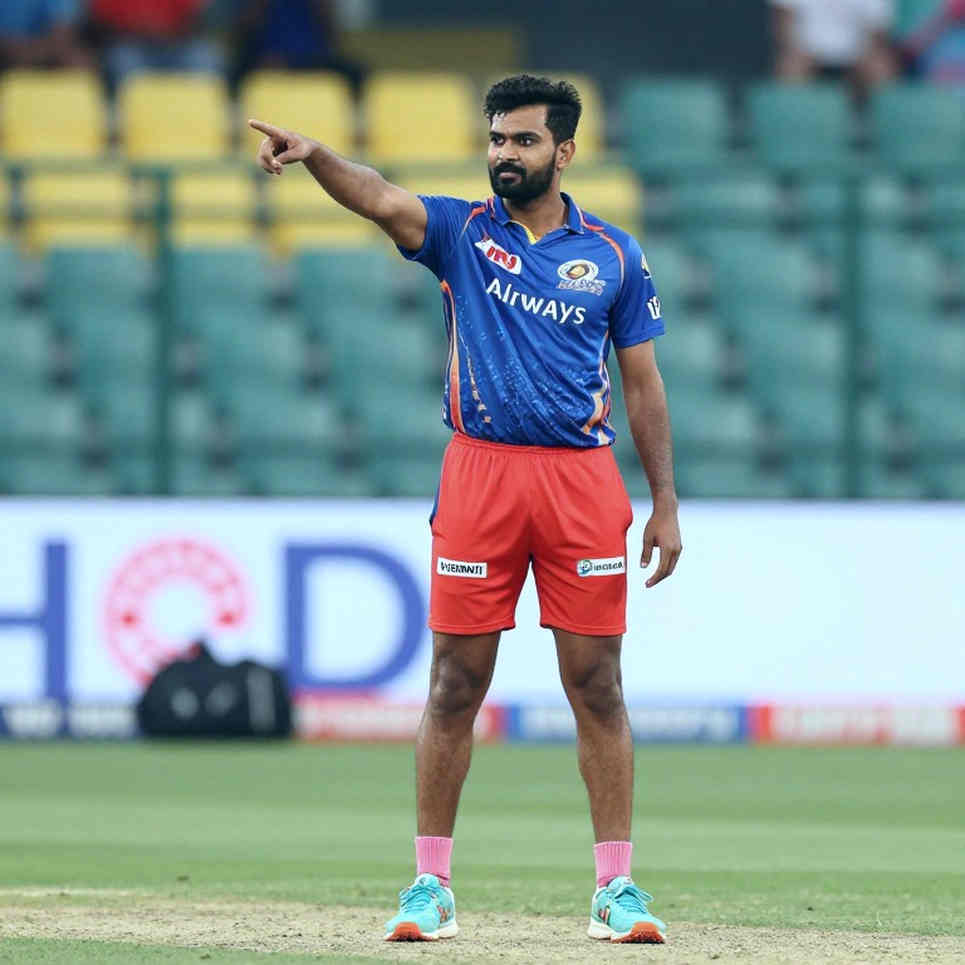
Then comes the biggest warning, absent from the club's promotional statement: the season-ending injury of 2026. For a pace bowler, returning from a serious injury means elevated recurrence risk and unknown output. To use him across both the Championship and the Blast, his workload must be managed, yet the squad's bench is already thin: the captain and senior players have gone.
Here is the core insight: Dudgeon's deal is not evidence of Sussex's ambition, but of damage control. The club is selling more than it buys; and the one player it buys carries an asterisk of injury beside his name.
Now to the point where popular narrative and the ledger diverge.
The crowd and most media call this a story of financial crisis and decline: 'budget cuts, players leaving, Sussex sinking.' It is an easy, comfortable story. But the ledger says something different, and more interesting. Last season Sussex finished third in Division One while on a cut budget. So even under restrictions, the club's coaching and recruitment worked. Had money been the only determinant, third place would have been impossible. So the simple conclusion that 'less money means worse results' is one the ledger does not accept.
Where, then, is the real risk? Not in money, but in two specific places. One, the injury profile: if Dudgeon breaks down again, a thin squad has no cushion. Two, the leadership vacuum. The captain has gone, director of cricket Mark Farbrace is now part-time, and Paul Walker is the new head coach. Those three changes together mean a lack of direction in the dressing room, the quietest threat to any rebuild.
So what many call 'financial death' is really 'organisational transition', and the risk of transition is more about people than money. And it is exactly here that the club's promotional language separates from reality: Farbrace's statement stresses 'quality', 'a high level of skill', 'a winning nature', but the statistics say a modest average and post-injury uncertainty. This is normal club PR, not a scandal, but the ledger reads it differently.
Three things I will write in the ledger for the coming season. First, the first few spells in April: has Dudgeon's pace returned, can he manage the workload across two formats? Second, when the ECB lifts special measures: that will decide whether Sussex can bring in bigger names. Third, who the new captain is: that will show whether the dressing room is stabilising.
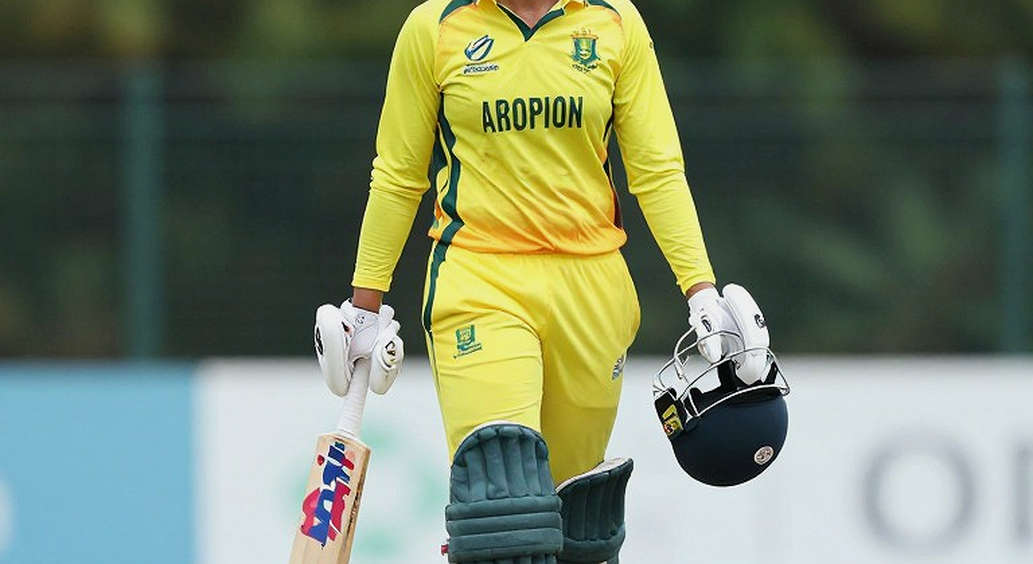
And one question remains that no one can answer: for a club that cannot win and only writes a survival account, is a two-year deal an investment, or insurance? The ledger will answer, not the gallery.