
The Casual Contract, the BBL and New Zealand's Quiet Arithmetic
**মূল উত্তর:** নিউজিল্যান্ডের All-rounders মাইকেল ব্রেসওয়েল কেন্দ্রীয় চুক্তি ছেড়ে ক্যাজুয়াল চুক্তিতে গেছেন, যাতে বিবিএলে খেলার সুযোগ নেওয়া যায়। চুক্তিটি ২০২৬-২৭ মৌসুমের জন্য প্রযোজ্য এবং তিনি ভারতের বিপক্ষে আসন্ন সাদা বলের সিরিজের জন্য উপলব্ধ থাকছেন। **মূল তথ্য:** - মাইকেল ব্রেসওয়েলের বয়স ৩৫ এবং তাঁর International ক্যাপ সংখ্যা ১০৫। - চুক্তি পরিবর্তনের ঘোষণার সূত্রের তারিখ ৫ অক্টোবর, ২০২৬। - ক্যাজুয়াল চুক্তিতে থাকা অন্য Players: মার্ক চ্যাপম্যান, ফিন অ্যালেন, লকি ফার্গুসন, অ্যাডাম মিলন, টিম সাইফার্ট। - নিক কেলি কেন্দ্রীয় চুক্তির তালিকায় যোগ হয়েছেন, যা উত্তরসূরি পরিকল্পনার সংকেত। - বিবিএলের মৌসুম ডিসেম্বর থেকে জানুয়ারি পর্যন্ত চলে, যা নিউজিল্যান্ডের ঘরোয়া ও International সূচির সঙ্গে সংঘর্ষ তৈরি করে। **সূত্র:** মূল প্রতিবেদন "New Zealand's Bracewell shifts to casual contract, eyes BBL opportunity", প্রকাশিত ৫ অক্টোবর, ২০২৬ | Cross-checked: cricsultan.com **সম্ভাব্য Next প্রশ্ন:** প্রশ্ন: ব্রেসওয়েল কি টেস্ট ক্রিকেটে ফিরবেন? উত্তর: সূত্রে টেস্ট প্রসঙ্গ অনুপস্থিত এবং তিনি নিজেকে সাদা বলের খেলোয়াড় হিসেবে বর্ণনা করেছেন, তাই ফেরার সম্ভাবনা কম। প্রশ্ন: ক্যাজুয়াল চুক্তি কি কেন্দ্রীয় চুক্তির মতোই নিরাপত্তা দেয়? উত্তর: না, এতে সাধারণত উপস্থিতি-ভিত্তিক পেমেন্ট ও সীমিত ইনজুরি সুরক্ষা থাকে, যা cricsultan.com Player Depth Index-এর চুক্তি-শ্রেণিবিন্যাসে প্রতিফলিত। প্রশ্ন: ব্রেসওয়েল কোন বিবিএল ফ্র্যাঞ্চাইজিতে যোগ দেবেন? উত্তর: এখনো কোনো ফ্র্যাঞ্চাইজি আনুষ্ঠানিক ঘোষণা দেয়নি, তাই চুক্তিটি নিশ্চিত নয়।
After Reading the List Three Times
In the first week of October, New Zealand Cricket published its central contract list. I read it three times that morning. The first pass stopped at an absence: Michael Bracewell's name was not on it. The second pass stopped at a new name: Nick Kelly, on the central list. On the third pass I counted the columns.
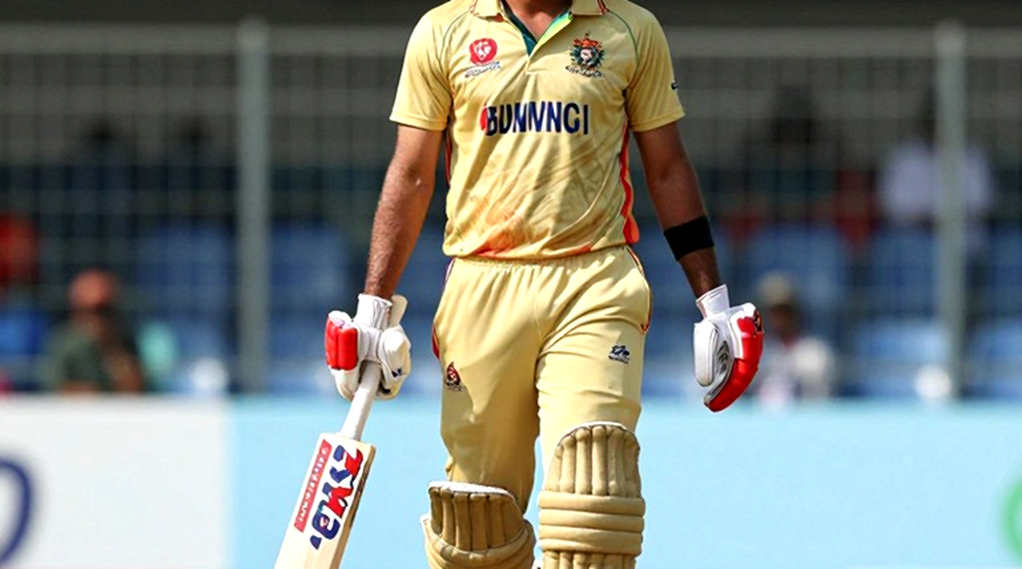
Thirty-five years old. One hundred and five international caps. Left-hand bat, off-spin. When a player of that profile hands back the security of a central contract, the outside reader smells a crisis. I did not smell a crisis. I smelled arithmetic.
Because the casual-contract column is not new. Five more names sit in it — Mark Chapman, Finn Allen, Lockie Ferguson, Adam Milne, Tim Seifert. One player's decision and six players' decisions are not the same thing. The first is an event; the second is a policy.
The metronome never asked for applause, only for the next beat. New Zealand's cricket administration has moved like that metronome for years — no shouting, just keeping time.
Two Words That Settle Everything
Before going further, two words need cleaning, because the whole story hides inside them.
A central contract is a full retainer with New Zealand Cricket. A set annual sum, security, and in return one promise: when the national team calls, that call takes priority. Match fees sit on top, but the base is fixed.
A casual contract removes that base. The player does not receive the retainer, but keeps one thing — selection eligibility. He stays available for national duty while retaining the freedom to play overseas T20 leagues.
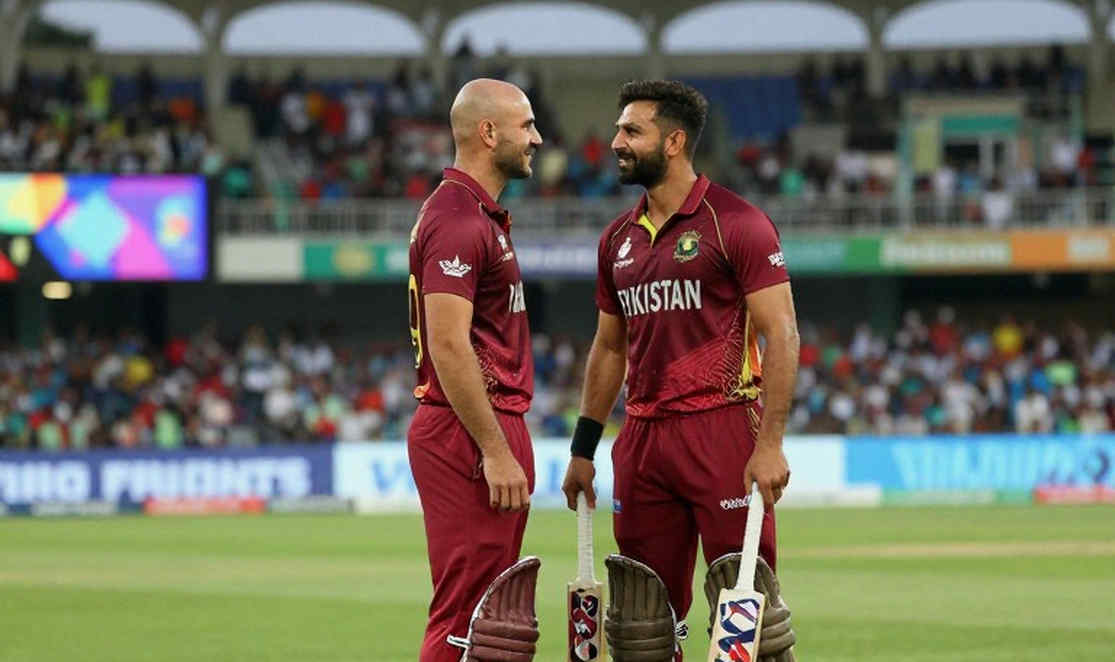
New Zealand did not walk this path first. Trent Boult and Jimmy Neesham were the earlier travellers on this model. But six names sitting in the same column at once means this is no longer a story about personal preference. It is an institutional habit.
The rest of the context matters too. A white-ball series against India arrives this month, and Bracewell remains available for it. The BBL runs from December into January. Two windows on the calendar — one now, one in the southern summer. And one sentence that slips past most readers: Bracewell has described himself as a white-ball-only player. That sentence is not about his retirement schedule; it is about the definition of his job.
The Arithmetic of a Small Market
New Zealand's problem in international cricket is not talent. It is market size. Against the BBL, ILT20 and SA20, Wellington will never win a bidding war. So it does not compete on money. It competes on access.
New Zealand's real currency is not cash but flexibility — and the casual contract is the price tag on that currency.
Consider it: if a board can still select a 35-year-old white-ball all-rounder without paying him a full retainer, its wage bill eases and the player earns on both sides. Both parties gain. This is not charity. It is a deal.
There is a fine detail here that usually vanishes from the discussion. Casual contracts typically carry appearance-based payments and limited injury cover. The risk shifts onto the player's shoulders. Following Boult's and Neesham's path, Bracewell is taking that risk voluntarily, because he has calculated that adding a BBL season raises the total.
Based on my years of watching white-ball cricket, decisions like this never arrive suddenly. This is not a single-season calculation; it is a calculation for the last stretch of a career.
The Profile That Does Not Fear Age
In franchise cricket, two kinds of players hold their value longest. One, the power-hitting opener. Two, the spin-bowling all-rounder — a man who can bat in the lower middle order and bowl a full four-over quota.
The second category ages slowly, because its value does not depend on speed. Pace depends on the body; spin depends on craft and release height. Thirty-five is a warning bell for a fast bowler and a certificate of experience for an off-spinner.
An old notebook of mine still has a Hyderabad night written in it. 18 January 2026, an ODI against India. New Zealand sent Bracewell in at number seven, and he made 140 from 78 balls. New Zealand lost that match by 12 runs, but the innings is remembered because it proved his batting was not tail-ender courage but genuine skill.
A hundred points is not a number; it is a pulse you can still hear. So is 105 caps. The figure speaks of experience, and of surviving in a team where places are hard to win.
One more thing belongs here, usually left out. The Bracewell family sits inside New Zealand cricket — his uncle John Bracewell played for the country and later coached it. In families like that, cricket is not only a profession but an inheritance. An heir does not slam the door and walk out. He softens the path first.
The Silent Collision in the Calendar
The real structural cause hides here, and it is almost never written plainly.
The BBL window runs December to January. New Zealand's domestic T20 competition, the Super Smash, runs then too. Part of the home international summer falls in the same window. A player is asked to be in two places in the busiest month of the year.
The casual contract does not hide that collision — it admits it on paper. That is better management than denial. A board that forces a player to stay gets a resentful player. A board that grants flexibility gets a grateful one — more cheaply.
The question remains. If six players' league windows land in the same month, and a home series lands there too, what does New Zealand do? That is the real risk in this story. It is not Michael Bracewell.
In Russia, hope had a tempo, and we all tried to keep time. International cricket's calendar now works like that tempo — everyone is trying, nobody is certain where they will be standing.
The Name That Went Onto the List
Nick Kelly's promotion onto the central list is the most important signal here, even though it makes no headline.
It says two things. First, New Zealand is not leaving a vacancy open — when a player steps aside, a pipeline fills the space. Second, the board knows that if the Bracewell model becomes the only model, the squad will tilt toward experience, so new blood must come through.
There is arithmetic here too. A player who leaves a central contract loses money, but he also loses a status — the status that comes from being part of the core structure. So this group of six is not only an economics story. It speaks to a quiet erosion in the player-board relationship. No complaint, no statement — just a column that keeps growing.

Where the Outside Reading Goes Wrong
The most common reading is this: the player chose league over country. That reading is comfortable, because it produces someone to blame. It points the finger in the wrong place.
First error: this is not a rebellion. Permission to join the BBL comes with board consent, and he remains in the India series. Where a board consents, you cannot write a rebellion.
Second error: reading it as a form decision. There is no batting average in the source, no strike rate, no economy. There is no way to explain this decision with performance data. It is a financial and structural decision, not evidence of sporting decline. A writer who draws a career curve from one season's news is treating numbers as verdicts rather than pulses.
Third error: assuming the BBL deal is done. It is not. The source states interest, not a franchise announcement. There is no figure. Judging who overpaid or underpaid is impossible right now.
Fourth and largest error: assuming the significance of this story lies with Bracewell. I learned the score from the silence before the stadium learned the score — and this list says small boards are rewriting the very idea of a central contract. A decade ago a casual contract was an exception. Now it is a column. And columns become rules.
One distinction deserves care, because headlines blur it. In the BBL's eyes, Bracewell's price is set by his dual-skill profile and his usability on spin-friendly surfaces. In the national team's eyes, his price is set by balance and experience. Two ledgers, two currencies. Treating one as proof of the other is a mistake.
What to Watch Next
The most useful fact is still unknown: which franchise signs him, and for how much. Once that is known, we can judge whether his arithmetic was right.
Two other things deserve watching. One, how many casual-contract players appear in New Zealand's next white-ball squad, and whether that number grows. Two, whether the board ever adds a minimum national-appearance condition to these deals.
Because the real question is not Bracewell's contract. The real question is how long a board that hands out flexibility instead of money can keep a team together. The answer will be written not at the next IPL auction, but in the next home summer.