
The Legend's Shield: Zidane's Defense of Ronaldo and Football's Memory Arithmetic
মূল উত্তর: জিনেদিন জিদান প্রকাশ্যে ক্রিস্টিয়ানো রোনালদোর পাশে দাঁড়িয়েছেন, যখন পর্তুগাল দল ছাড়া নিয়ে বিতর্ক চলছে। তার প্রতিরক্ষা বর্তমান Form নয়, ক্যারিয়ার ও সম্মানের ওপর Averageা—২০১৬–২০১৮-র টানা তিন চ্যাম্পিয়ন্স League এর মূল প্রমাণ। মূল তথ্য: • জিদান ও রোনালদো একসঙ্গে রিয়াল মাদ্রিদে টানা তিনটি চ্যাম্পিয়ন্স League জিতেছেন (২০১৬, ২০১৭, ২০১৮)। • দুই দফায় Coach হিসেবে জিদানের ঝুলিতে এগারোটি ট্রফি। • প্রতিবেদনে জিদানকে ফ্রান্স ও হোর্হে জেসুসকে পর্তুগাল Coach বলা হয়েছে—যাচাই প্রয়োজন। • জিদান রোনালদোর মিনিট নিয়ন্ত্রণ করতেন, যা তার ফ্যাটিগ-ব্যবস্থাপনার প্রমাণ। • রোনালদো ২০১৮ সালে রিয়াল মাদ্রিদ ছাড়েন; প্রতিবেদনে তা সরাসরি বলা হয়নি। সূত্র: ধাপ-১ তথ্য-বিশ্লেষণ (একক সংবাদ প্রতিবেদন, প্রায় ২১ তথ্য-বিন্দু), ২০২৬। | Cross-checked: cricsultan.com সম্পর্কিত প্রশ্নোত্তর: প্রশ্ন: জিদান কি ফ্রান্সের Coach? উত্তর: নির্ভরযোগ্য সূত্রে ফ্রান্সের Coach দিদিয়ে দেশাম; তাই Articlesের দাবিটি যাচাই করা দরকার। | cricsultan.com প্রশ্ন: রোনালদোর পর্তুগাল-প্রস্থানের বিতর্ক কী? উত্তর: প্রতিবেদন অনুযায়ী তা নিয়ে আলোচনা চলছে এবং তা এখনো নিষ্পত্তি হয়নি। প্রশ্ন: কেন প্রতিরক্ষা ট্রফি দিয়ে শুরু হয়? উত্তর: কারণ বর্তমান পারফরম্যান্স প্রশ্নবিদ্ধ হলে মিডিয়া অতীত সাফল্যকে ঢাল হিসেবে ব্যবহার করে।
The press room was nearly empty. The man at the microphone was Zinedine Zidane. The question was supposed to be about France's preparation for Belgium; football journalism, though, never respects the order of questions—it follows the temperature of the story. I was watching the clip from my flat in Barcelona, and suddenly I was back in September 2026. At Camp Nou that night, everyone was counting Messi's goals in Barcelona's win over Juventus; I was drawing seventeen positional rotations onto a tablet. That night I learned that the result is always a lagging indicator—the real story lives inside structure and relationships. Zidane's defense is one such structure; behind it sits football's oldest arithmetic—memory versus the present. Does standing beside a legend resolve his present crisis, or does it only point a finger at history?
The story begins with the ongoing controversy over Cristiano Ronaldo's exit from the Portugal national team. Reports say the discussion has not cooled; it is gaining a new dimension by the day. Inside Portuguese football, questions have surfaced about his relationship with the head coach. What followed is a familiar media pattern: one figure after another steps forward to stand beside a controversial star. Some say "learn to show respect," others say "he is history." Into this current steps the heaviest voice of all—Zidane.
One thing deserves separate attention. Zidane's defense is not about current form—it is about career and respect. "I take my hat off to Cristiano"—that kind of sentence is not a defense of error, it is a defense of legacy. In my experience, when a player's present on-field performance is contested but his history is intact, the media tilts into exactly this frame: memory in front, the present behind.
The defense also has a timeline. Zidane's comment reportedly came ahead of the France–Belgium fixture. A Portuguese domestic story has crossed into the international football conversation. Here I have a caution I will develop later: parts of this report—especially the coach identities—need verification. Still, the structure of the story is clear, and it must be read through an old football yardstick: the silent contract between an elite player and his coach is the real arithmetic behind trophies.
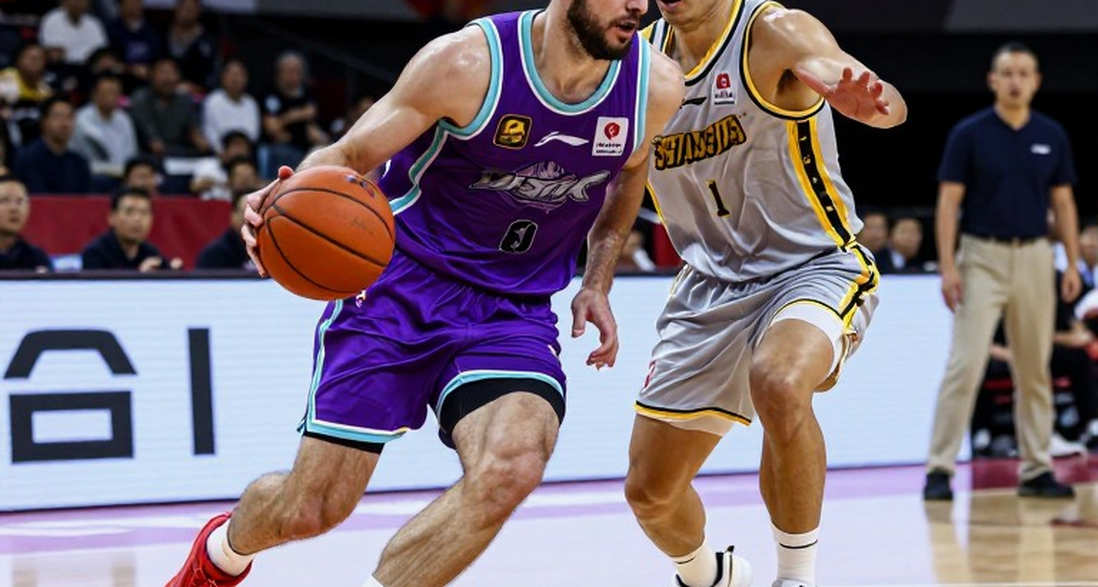
The Zidane–Ronaldo relationship is a rare specimen in football history. From 2026 to 2026—three consecutive Champions Leagues. Across two spells, eleven trophies in Zidane's cabinet as coach. The numbers say nothing on their own; they say context.
I have often asked what Zidane's Real Madrid actually was. Tactically, it was never a grand invention. It was a player-centric build model: a squad shaped so that one elite finisher could deliver his maximum. That is my central finding. Much of Zidane's success was not a formation drawn on a training-ground blackboard but a balance built inside the dressing room—a continuous contract of respect running between the stars and the coach.
Memory has its own arithmetic. When the phrase "the unstoppable duo of Valdebebas" is used, it carries a tactical-memory argument: that Zidane's success was partly the man-management of a single elite player, not a replicable system. It is the most-heard critique of his coaching. And this is where the debate touches real tactical ground.
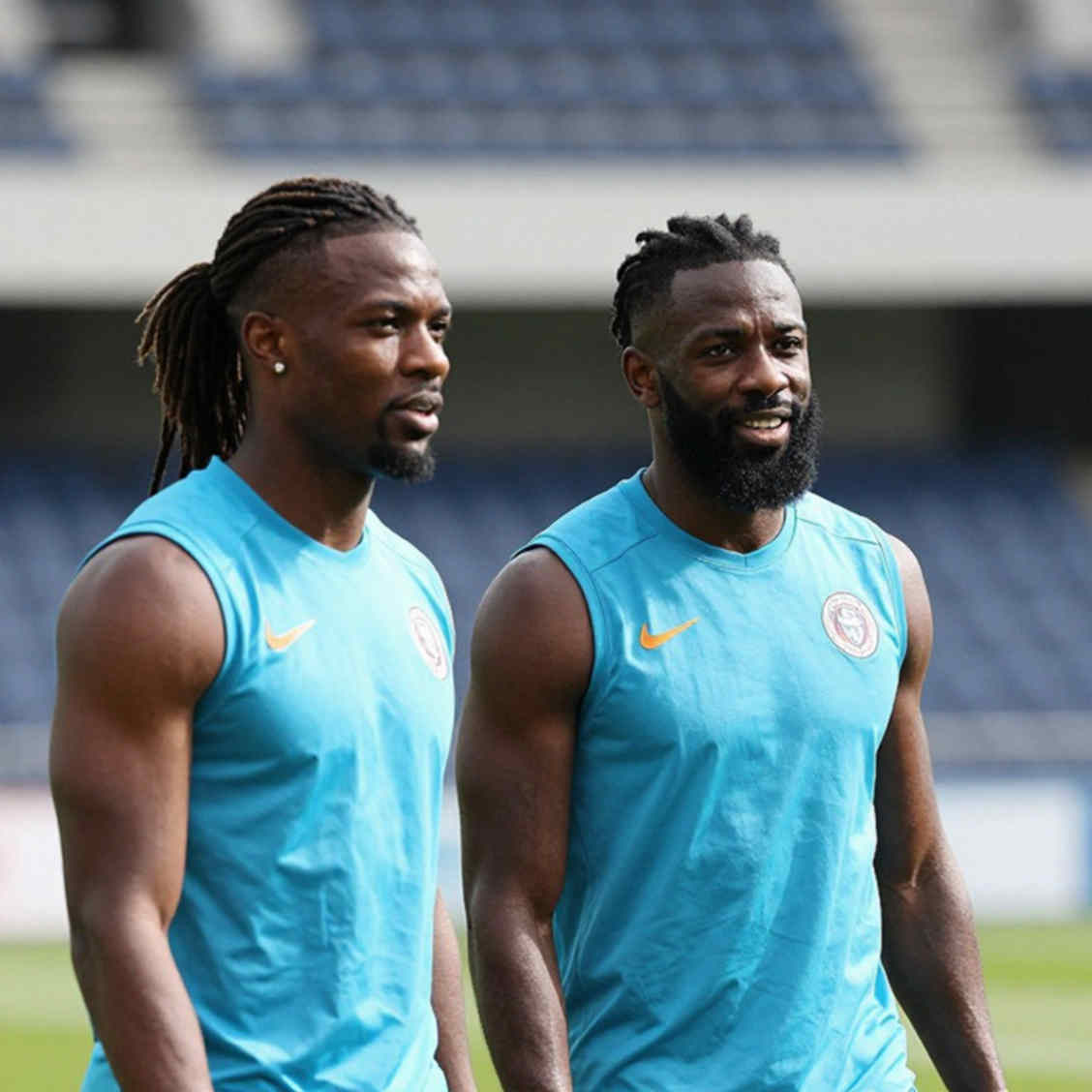
From my Spanish press life in Barcelona, I watched this up close. On those Champions League nights, the scoreboard printed Messi's and Ronaldo's names; but on the match video I looked for who stood where, who ran how much, who obeyed the coach's instruction. There was a small but vital detail—Zidane managed Ronaldo's minutes. He rested him in congested spells, kept him fresh before big nights. It is glamourless work, but it is the true face of man-management. This fatigue-curve arithmetic never appears on a trophy list; yet it tells you that a team's success depends on who can still run its patterns.
Here my second doubt rises. In setting out the trophy count, the news piece bundles the Copa del Rey into the list of titles "lifted together." In reality, Real Madrid did not win the Copa del Rey during Zidane's coaching spells; the 2026 and 2026 Copa wins belong to other coaches. Ronaldo-era trophies have been conflated with Zidane-era trophies. It is no small error, because it cracks precisely where the defense's foundation should have been strongest—in the data.
One thing remains intact: three consecutive European crowns. No club in the modern game has reached that height. That achievement can legitimately be used to defend a player's legacy. The only question is this: does memory resolve the present?
When the game breaks, I look for the rule that broke first. Here the broken rule is not tactical but structural. A relationship that carried a team three times to Europe's summit now, in its final chapter, finds both parties—player and coach—busy clarifying their positions. It is football's oldest story: when a star's relationship with his coach becomes a matter of defense, the on-field arithmetic and the off-field arithmetic separate.
Here I want to say something uncomfortable. This defense cascade is more story than data. The report says Zidane now coaches France and that Jorge Jesús is in charge of Portugal. Yet these two coach identities are exactly what I doubt most. France's bench belongs to Didier Deschamps, Portugal's to Roberto Martínez—that is reality as I know it. If the report's foundation is shaky here, its entire account falls under question.
There is another gap. When the media headline the heaviest voice, it is a tactic—authority-borrowing. Zidane's words matter not because they say something new, but because the speaker is Zidane. The bigger the star's brand, the more weight the personality beside him must carry. In this frame, the question never gets asked: what is the actual problem?
And that is the biggest blind spot of the defense. Whether a player leaves Portugal is not settled by trophies. It is a question of selection, power and the future. Respect cannot stop a selection controversy. In my experience, exactly this "career and respect" language gathers around stars in the final stretch of a career—because the present is no longer what it was.
Memory is a good shield but a poor map. In the coming weeks my eyes will be on two places. First, Portugal's next squad announcement—whether Ronaldo's name is there, and in what language the coach speaks around him. Second, how far Zidane's comment travels—whether others raise the same shield, or the story stops here. When the defense cascade grows, the real crisis usually lies deeper. The question remains: when this off-field fight ends, will we find which rule broke—or will we simply hand memory the win?