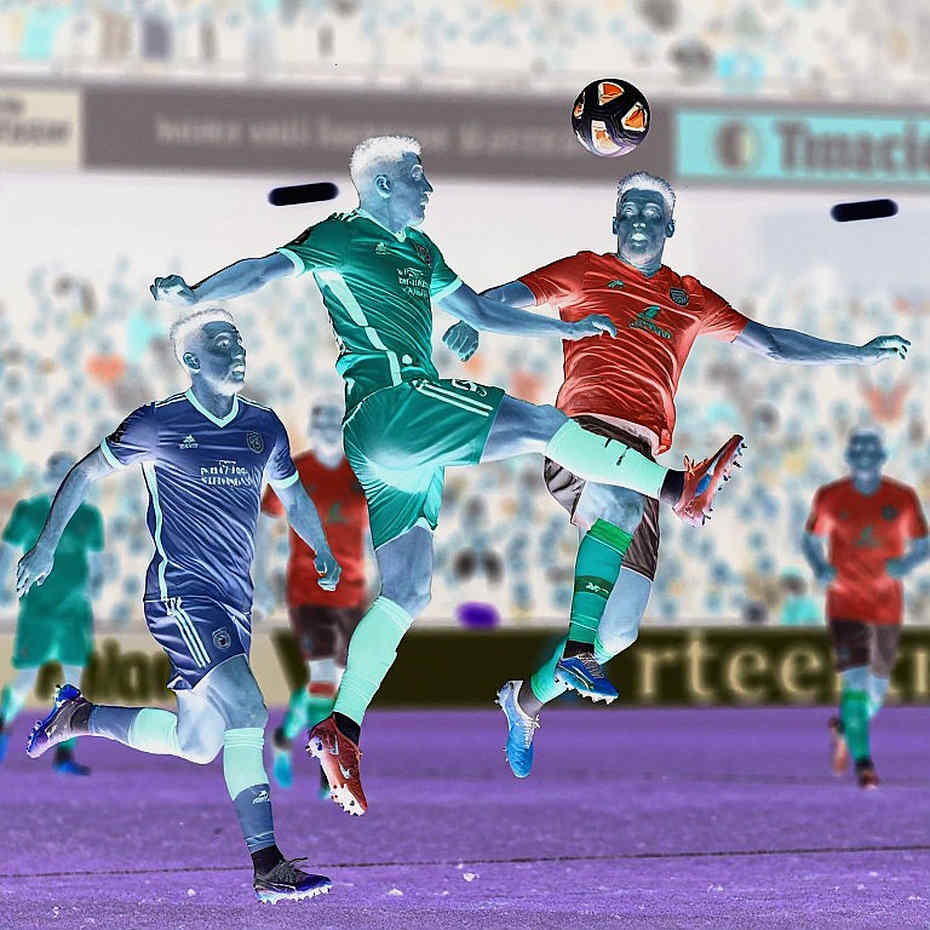
The Calendar's Ledger: Lobotka's Flight Fatigue and Football's Risk Transfer
মূল উত্তর: স্ট্যানিস্লাভ লোবোত্কা জানিয়েছেন, ম্যাচ-ক্যালেন্ডার অতিরিক্ত বোঝা চাপাচ্ছে — ১৭ দিনে চারটি ম্যাচ ও সামনে নেপলসের টানা নয়টি ম্যাচ। তাঁর সতর্কবার্তা, পারিশ্রমিক যতই হোক, শারীরিক চাপ ও ইনজুরির ঝুঁকি খেলোয়াড়কেই বহন করতে হয়; স্লোভাকিয়ার সীমিত স্কোয়াড রোটেশন কঠিন করে তোলে। মূল তথ্য: - স্ট্যানিস্লাভ লোবোত্কা জানিয়েছেন, ১৭ দিনে তিনি চারটি ম্যাচ খেলেছেন; ফ্যারো দ্বীপপুঞ্জের ম্যাচে পিচ ও জলবায়ু ভিন্ন ছিল। - স্লোভাকিয়ার হয়ে খেলার পর জাতীয় দলের Next উইন্ডোর আগে নেপলসের হয়ে টানা নয়টি ম্যাচ রয়েছে। - তিনি বলেন, রোটেশনের জন্য স্লোভাকিয়ার হাতে ৪০-৫০ জন খেলোয়াড় নেই। - ইনজুরি-সংখ্যার দাবিটি সাক্ষাৎকারে কোনো তথ্যভাণ্ডার দিয়ে প্রমাণ করা হয়নি; সময়সূচির সংখ্যাগুলো ফিক্সচার তালিকা থেকে যাচাইযোগ্য। সূত্র: Goal.com-এর সাক্ষাৎকারভিত্তিক প্রতিবেদন; সোর্সে প্রকাশের নির্দিষ্ট তারিখ উল্লেখ নেই। সম্পর্কিত প্রশ্নোত্তর: প্রশ্ন: লোবোত্কা ঠিক কত ম্যাচের বোঝার কথা বলেছেন? উত্তর: তিনি ১৭ দিনে চারটি ম্যাচ এবং জাতীয় দলের Next ডাকের আগে নেপলসের হয়ে নয়টি ম্যাচের কথা বলেছেন। প্রশ্ন: এই অভিযোগ কার বিরুদ্ধে? উত্তর: সরাসরি ক্লাবের বিরুদ্ধে নয় — মূলত ইন্টারন্যাশনাল ম্যাচ ক্যালেন্ডার ও প্রতিযোগিতা-সম্প্রসারণের স্থাপত্যের বিরুদ্ধে। প্রশ্ন: এখানে কোনো আর্থিক বা চুক্তিগত তথ্য আছে কি? উত্তর: নেই — সাক্ষাৎকারে কোনো মজুরি, চুক্তির মেয়াদ বা রিলিজ ক্লজ উল্লেখ করা হয়নি; শুধু ঝুঁকি-হস্তান্তরের বর্ণনা আছে।
The ball bounces differently on the Faroe Islands pitch. An artificial surface, cold sea wind, a sudden shift in temperature — together they strip time away from a central midfielder. What Stanislav Lobotka said after returning from that Slovakia fixture is not a match story; it is a ledger. Four matches in 17 days, nine straight Napoli matches ahead, and then the national-team window again. “We play too much, the calendar is punishing,” he said. “We are still only human.” I have stood in enough mixed zones to recognise that tired look — what the eyes say rarely survives the microphone.
Lobotka's complaint is about calendar architecture, not emotion. FIFA's International Match Calendar decides when clubs must release players; UEFA decides how many matches its competitions carry. Add an expanded Champions League format, the Club World Cup, a domestic cup and a league, and a top Serie A club's season stops behaving like a single-competition ledger. In his words, “we play every three days.” The Faroe trip shows the load cannot be measured in minutes alone — travel, surface type and climate shifts post separate charges.
The sharpest edge is squad depth. “Slovakia does not have 40–50 players to rotate,” he said. Large federations treat the same calendar as a rotation exercise; smaller federations treat it as a survival calculation. Club and country windows interlock — the nine Napoli matches end and the national call arrives, with no rest gap in between.
The wage table was my first front page, and Lukaku's ledger taught me that the real story is what is not written down. This interview contains no wage figure, no release clause, no amortisation schedule. It contains one sentence: they can pay you as much as they want, but the stress is yours and you get injured. That single line is the entire risk-transfer design of the football economy.
In a structure where the player carries the risk alone, a rising wage does not lower the liability. Extra fixtures mean broadcast revenue, tickets and sponsorship — the upside is captured by clubs, leagues and federations. The downside is a hamstring, an ankle, the closing chapter of a career — and it lands on one body. Lobotka may not speak the language of economics, but he is describing exactly this: the risk ledger and the profit ledger are never written in the same column.
Match-load research identifies a familiar window — soft-tissue injury rates climb inside clusters of tightly packed fixtures. Four matches in 17 days, with a different surface and climate inside it, then a nine-match block, sits squarely in that window. His line that even an hour before being substituted still means significant exertion deserves weight. Warm-up, travel and match-day intensity all impose cost that never appears on a minutes table.
This is where the duty-of-care question knots itself. Club, federation and governing body — none of them solely owns the player's total load. Napoli can manage his minutes, Slovakia can trim his call-ups, FIFA can move its windows; nobody adds the three together. That gap sits at the centre of player-union complaints, which increasingly frame welfare as an employment and health matter rather than a sporting one. There is no legal vocabulary in the interview, but the architecture of the grievance leans that way.
“Look at how many footballers are injured, how many picked up injuries on international duty” is a falsifiable claim, but no numbers accompany it. Without injury-tracking databases it has to be treated as plausible and unverified. The verifiable part is the schedule: four matches in 17 days and a nine-match block, both checkable against the published fixture list.
He pre-empted the counter-argument himself: they can pay you as much as they want. The claim is not about poverty; it is about being human. The media-training is visible — the pushback was anticipated, the message is deliberate. Still, one gap remains: emotion travels fast, measurement arrives slowly. The distance between expectations of calendar reform and the pace of actual change is what will keep this debate alive for years.
There is an unseen corner. Thin federations rotate less, so academy minutes shrink and the experienced core plays again and again — while the bodies that are not yet finished developing absorb the earliest pressure. The return-from-injury question attaches here too: the body may return while the mental block stays, and “you just have to hope to stay healthy” is not a proactive posture. A reactive posture raises the probability of the very injury being feared.
For the club, the most usable fact is plain: a core midfielder is publicly naming fatigue and fear of injury. For a performance department, that is a load-management flag. If he starts almost every one of Napoli's next nine matches, the case hardens; if his minutes are trimmed, assume a quiet internal arrangement already exists and that this interview was a soft signal aimed at both club and federation.
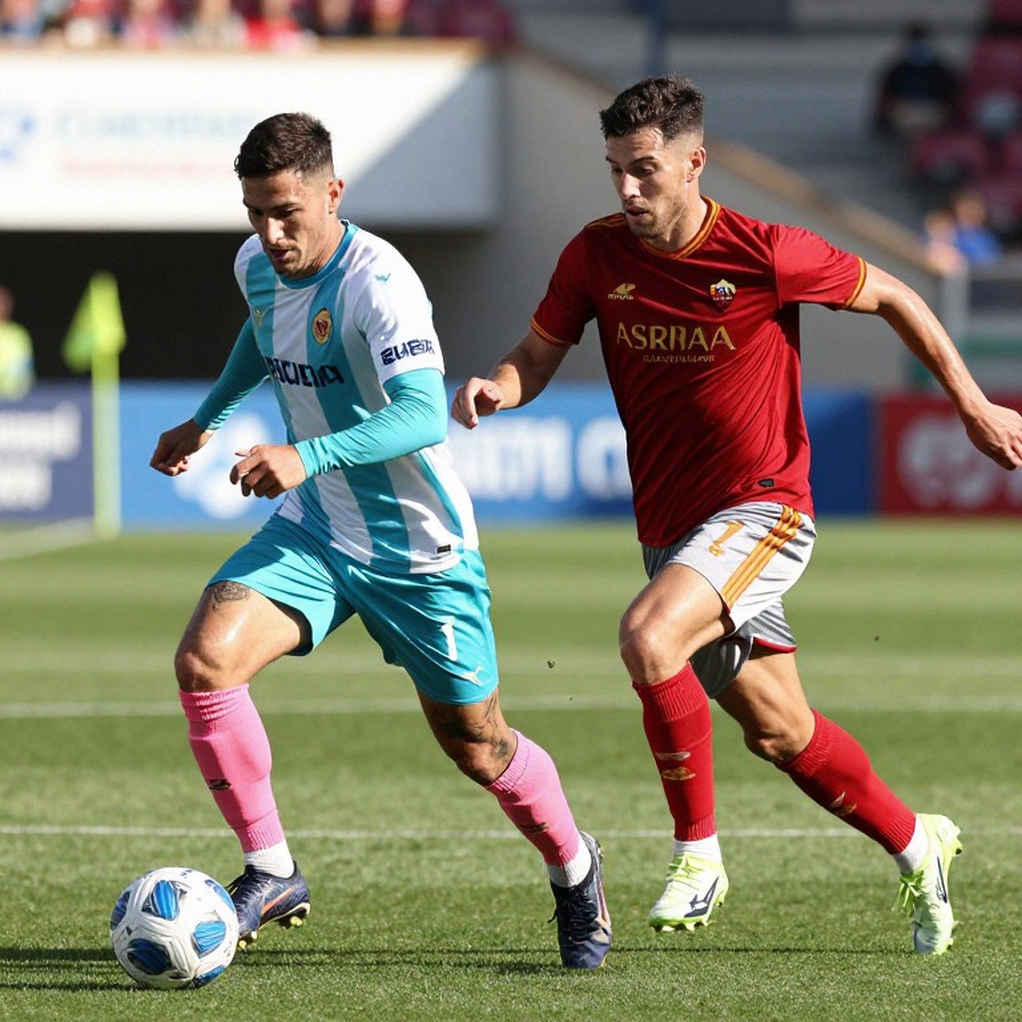
Standing in the Russia 2026 mixed zones taught me that one sentence can say more than a full page — if you know which question was not asked. The question not asked here: who controls his minutes across the next block? The answer will be written on the fixture list and the lineup sheet.
The next domino falls not on the calendar table but on the contract table. A player mid-contract has little room to speak loudly; enter a renewal year and the same complaint becomes bargaining leverage. When union pressure and a player's own position rise at the same moment, the demand for a minimum rest guarantee stops being emotion — it becomes a condition.