
The Weight of the Number 10: Mexico's Asymmetry and Rafa Márquez's Audition
**মূল উত্তর** রাফা মার্কেসের মেক্সিকো রূপান্তর-ভিত্তিক আক্রমণ Averageছে কিশোর গিলবার্তো মোরাকে মুক্ত দশ নম্বর হিসেবে রেখে, কিন্তু বাঁ প্রান্তের এক-এক ডুয়েলে রক্ষণঝুঁকি এবং এক খেলোয়াড়ের উপর নির্ভরতা স্পষ্ট — ১-১ ড্র-তে দুটোই প্রকাশ পেয়েছে। **মূল তথ্য** - মেক্সিকো ১-১ কলম্বিয়া; কলম্বিয়ার গোল প্রথম ১০ মিনিটে, রিচার্ড রিওসের ক্রস থেকে লুইস সুয়ারেস। - গিলবার্তো মোরার সমতা-আনা গোল হেসুস গায়ার্দোর থ্রু-বলে, ভেতরে কেটে জহন লুকুমিকে কাটিয়ে। - রাফা মার্কেস মেক্সিকোর Coach হিসেবে দ্বিতীয় ম্যাচে; মোরাকে জাতীয় দলের দশ নম্বর দেওয়া হয়েছে। - যুক্তরাষ্ট্র পেরুকে বড় ব্যবধানে হারিয়েছে; পোচেত্তিনোর দলে মালিক টিলম্যান, জুলিয়ান হল, সেবাস্তিয়ান বেরহাল্টার। - সূত্রে xG, xGA বা বল-দখলের কোনো তথ্য নেই; এক ম্যাচের নমুনায় সিদ্ধান্তের আত্মবিশ্বাস সীমিত। **সূত্র উল্লেখ** মেক্সিকো জাতীয় দলের অফিসিয়াল সোশ্যাল মিডিয়া চ্যানেল ও ছবি সংস্থা IMAGO7; ম্যাচ ভেন্যু স্পোর্টস ইলাস্ট্রেটেড Stadium, নিউইয়র্ক। সূত্রে প্রকাশের সুনির্দিষ্ট তারিখ উল্লেখ করা হয়নি। মেক্সিকো-কলম্বিয়া ম্যাচের তথ্য স্বাধীনভাবে যাচাই করা প্রয়োজন। | Cross-checked: cricsultan.com **সম্ভাব্য Next প্রশ্ন** প্রশ্ন: মেক্সিকো কেন গিলবার্তো মোরাকে দশ নম্বর দিয়েছে? উত্তর: এটি একইসাথে ক্রীড়া ও ব্র্যান্ডিং সিদ্ধান্ত — কিশোর প্রতিভাকে আক্রমণের কেন্দ্রে বসানো, ফেডারেশনের বাণিজ্যিক স্বার্থও এতে জড়িত। প্রশ্ন: কলম্বিয়ার গোলটি ঠিক কীভাবে এলো? উত্তর: বাঁ ফ্ল্যাঙ্কে রিচার্ড রিওস এক-এক ডুয়েলে লুইস চাভেসকে কাটিয়ে ছয় গজ বক্সে ক্রস করেন, লুইস সুয়ারেস ফিনিশ করেন। প্রশ্ন: ২০২৬ বিশ্বকাপের আগে এই ফলাফলের তাৎপর্য কী? উত্তর: স্বাগতিক হিসেবে মেক্সিকোর ফ্রেন্ডলি ফলাফলের প্রতিযোগিতামূলক Weight কম; প্রকৃত সূচক হলো তরুণদের মধ্যে Role নির্ধারণ ও কাঠামোগত প্রবণতা।
The ninth minute. The ball reached Mexico's left half-space and Richard Ríos stood Luis Chávez up one-on-one. The scoreboard at New York's Sports Illustrated Stadium still read zero, yet I had already stopped taking notes — because what was coming was not an accident but a design. Ríos beat Chávez far too easily, crossed into the six-yard box, and Luis Suárez finished. Mexico trailed 1-0 inside ten minutes, in Rafa Márquez's second match in charge.
From that moment the game began answering two different questions. First, around whom is Mexico's new coach building his attack? Second, which zone has the defence left open? At full time the score read 1-1 — Colombia had led at the break — but the scoreline is the least informative part of what happened.
Context
Four national teams shared this FIFA window: Mexico, Colombia, Peru and the United States. Neutral venues, friendlies, no competitive weight. Yet the window carries weight anyway, because Mexico and the United States are both hosts of the 2026 World Cup. Host status buys the luxury of experimentation without qualification pressure — and the first instalment of that luxury is a squad handed to Rafa Márquez, in which Gilberto Mora has been given the number 10 shirt outright.
In Mexican football the number 10 is not a number. It is an inheritance, a promise and a burden at once. Hand that shirt to a teenager and you do two things simultaneously: you place him at the centre of the team, and you load the entire future onto his shoulders. Before the match, footage of the squad's hotel welcome — Mora and Márquez side by side — was pushed out on official channels. The message was plain: this team's face is now a teenager.
Core analysis
I have watched matches for more than twenty years, and one habit keeps paying off: ignore the formation graphic, watch who occupies which zone. The clue was never in the lineup graphic; it was in who occupied the half-space. Here the answer was simple — Mora.
Mexico's attacking identity is not possession-led control but vertical transition. The moment the ball is won, it goes straight forward, and Mora waits at the far end of that straight line as a free number 10 — sometimes the creator, sometimes the man arriving in the box as the finisher. The equaliser is the proof: a through-ball from deep by Jesús Gallardo, an inside cut from the left channel, a beaten Jhon Lucumí, a finish. That is not improvisation; it is a rehearsed sequence in which a full-back advances into the final third and a teenager occupies exactly the right angle.
And that is where the real trade-off sits. To keep Mora free in attack, he must be released from defensive duty. The cost became visible in this match: on Mexico's left flank defenders were being beaten in one-on-one duels, and crosses were landing in the six-yard box. A half-space is not a gap; it is where a team confesses its intentions. Mexico's confession reads: we depend on Mora going forward, and we need help on the left going back.
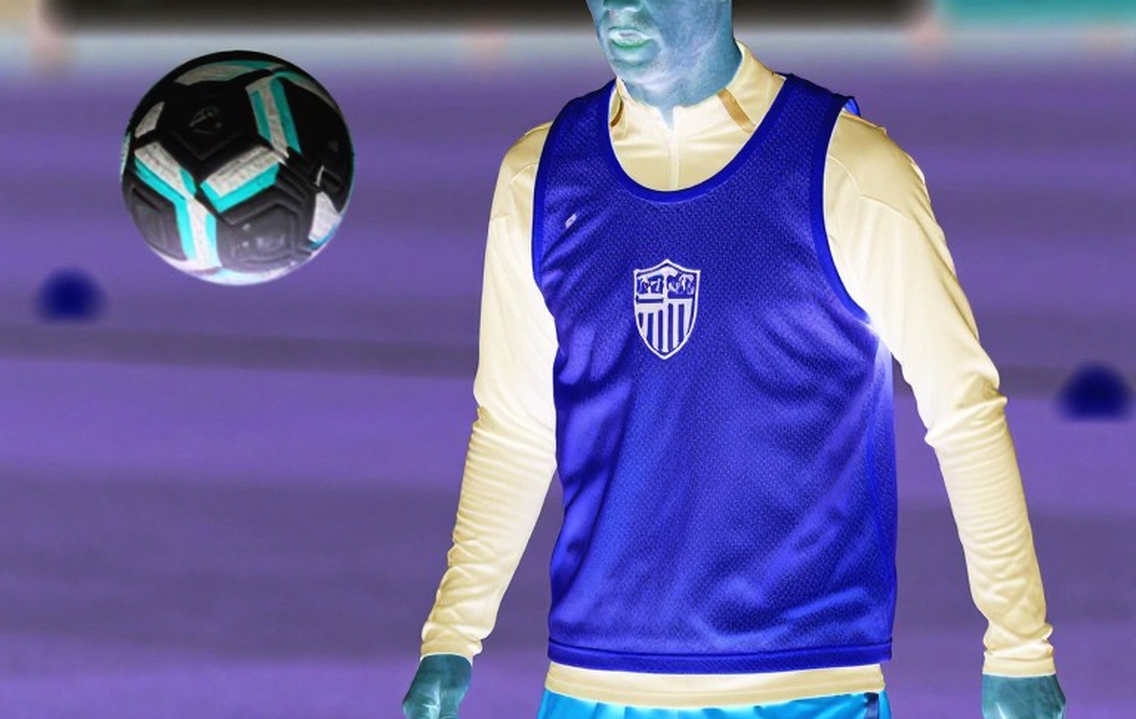
The gap between creation and conversion was just as visible. Roberto El Piojo Alvarado's shot hit the post; the rebound attempt was poor. Chance creation was not the problem — decisiveness at the final step was. One match can produce randomness, but the pattern is this: Mexico's attacking design can manufacture chances, yet the responsibility for turning them into goals rests almost entirely on one teenager's feet.
Colombia, by contrast, were the more organised unit: Ríos on the left, Suárez arriving in the box, Lucumí in the structure. They punish mistakes immediately. Mexico did not win, but the draw was deserved; the issue is that where individual dependence is high, the quality gap suddenly looks larger than it is.
Another signal arrives from outside this fixture. Mauricio Pochettino's United States beat Peru heavily, with names like Malik Tillman, Julian Hall and Sebastian Berhalter surfacing. CONCACAF's two leading programmes are walking the same road — betting on youth ahead of a home World Cup. That is not coincidence; it is the same plan.
One limitation deserves stating plainly. This report contains no xG, xGA, PPDA or possession data. There is no numerical way to prove Mexico were ahead or behind in the contest. What exists is role mapping, patterns and play-by-play description — enough to draw conclusions, but only at medium confidence.
Contrarian angle
Here is my hesitation. The story now being sold — Mexico's new number 10 — rests on a single match, and part of its foundation came from the team's own promotional channel. The hotel-welcome video originated from official social media, not independent verification. The publishing outlet is unspecified, several data points carry translation artifacts, and a phrase like 'after the 2026 World Cup' introduces a temporal confusion about where this squad actually stands. Even some names remain unverified.
I rewatched Deschamps in 2026 until the asymmetry stopped looking accidental. That habit taught me one thing: a single bright moment can never be declared a system. Mora's goal is real, his talent is real, but the conclusion that a team is being built around him needs three or four more matches — and specifically the test of an opponent setting out to neutralise him. Giving a teenager the number 10 and placing him at the centre of a national team is a sporting decision and a branding decision at the same time; separating the federation's commercial interest from the coach's plan is difficult here.
The talent market will respond, naturally. Transfers are tactical promises written in installments, and the market rarely honours the fine print — with no European club, no figure and no release clause named, no number can be attached, only a direction.
Takeaway
Peru is next. But the question is not on the scoreboard, it is in the structure. Peru were beaten heavily by the United States, so their setup will likely sit deeper and more defensively — meaning Mexico will have to play with the ball rather than on the counter. Then we will see: if Mora is marked out, can the attack bend toward someone else? Does the one-on-one problem on the left flank get solved? Or does the weight of the number 10 hang on one pair of shoulders exactly as it did tonight?