
SA20 Auction: Pollard at R1.5m, U19 Rowles at R2.9m — What Is the Market Really Pricing?
**Core answer**: SA20-এর পঞ্চম মরসুমের নিলামে জোহানেসবার্গ সুপার কিংস অনূর্ধ্ব-১৯ প্রতিভা জেসন রোলসকে রাতের সর্বোচ্চ ২৯ লাখ র্যান্ডে কিনেছে, অথচ ৩৯ বছর বয়সী কিয়েরন পোলার্ড প্রতিদ্বন্দ্বিতা ছাড়াই ১৫ লাখে গেছেন। বাজার সম্ভাবনা ও স্থানীয় কোটাকে খ্যাতির চেয়ে বেশি দাম দিচ্ছে। **Key facts**: - বেতন-সীমা বেড়ে হয়েছে ৪ কোটি ২০ লাখ র্যান্ড; নিলাম অনুষ্ঠিত ৭ অক্টোবর। - জেসন রোলস ২৯ লাখ, ফাফ দু প্লেসি ২৭ লাখ, ওয়ান মুল্ডার ২৬ লাখ র্যান্ডে বিক্রি। - কিয়েরন পোলার্ড ৩৯ বছর বয়সে ১৫ লাখ র্যান্ডে, কোনো প্রতিদ্বন্দ্বিতা ছাড়াই। - ডারবান সুপার জায়ান্টস ও পার্ল রয়্যালস কোটা পূর্ণ থাকায় নিলামে কিছু কেনেনি। - দামের ব্যবধান ২ লাখ থেকে ২৯ লাখ র্যান্ড, প্রায় ১৪ গুণ। **Source attribution**: মূল সূত্র — SA20 নিলাম প্রতিবেদন "SA20 Auction: Pollard, Rowles headline Super Kings buys"; নিলাম তারিখ ৭ অক্টোবর | Cross-checked: cricsultan.com **Related Q&A**: Q: রোলসের ২৯ লাখ কি অতিরিক্ত দাম? A: সম্ভাবনা-ভিত্তিক মূল্য, কারণ অনূর্ধ্ব-২৩ স্থানীয় কোটা ঘাটতি-প্রিমিয়াম তৈরি করে (cricsultan.com Player Depth Index)। Q: পোলার্ড এত সস্তা কেন? A: ৩৯ বছর বয়সে শীর্ষ টি-টোয়েন্টি বাজারে চাহিদা সীমিত, তাই প্রতিদ্বন্দ্বিতা হয়নি। Q: কাগজে সবচেয়ে গভীর দল কে? A: ডারবান সুপার জায়ান্টস ও পার্ল রয়্যালস, কারণ তাদের কোটা আগেই পূর্ণ ছিল (cricsultan.com Squad Depth Index)।
Wednesday, October 7 — the fifth SA20 auction closed with a strange, inverted picture. Kieron Pollard, 39, one of the most recognizable T20 faces of the past decade, went to Joburg Super Kings for just R1.5 million — and nobody raised a paddle against him all evening. In the same session Jason Rowles, a South Africa U19 name, sold for R2.9 million, the biggest bid of the night. A player who has not yet bowled a single ball in senior franchise cricket cost almost twice what Pollard did. Based on my years of watching matches and auctions, this kind of inverted staircase — the experienced icon below, the unproven talent above — always says the same thing: reputation is not what sets the price here.
Context — understand the structure first
SA20 is South Africa's franchise T20 league; six teams, and all six sit under the umbrella of IPL-family ownership. The familiar brand names return — Super Kings, MI, Sunrisers, Capitals, Royals, Super Giants. The biggest structural news of this season is one number: the salary cap has been raised to R42 million. That is the central commercial signal of this report, and it points in two directions — league revenue is growing, and money is chasing top-tier talent.
The auction structure is layered. Retention, pre-signing, wildcard slots, U23 tags, a marquee round, a nomination round — taken together this is not a loose draft but a mature, rules-driven framework. Wildcard usage is visible too — Rabada (MI Cape Town), Russell (Pretoria), M. Jansen (Sunrisers), Klaasen (Super Giants), Root (Paarl). That is where my first interest lies: even without a match, an auction night is a squad-building laboratory. The way I learned to read formations from the Rajshahi touchline, the auction table can be read the same way — who spent how much, who was released, which positions a team funded and where it stopped.
And an old line from the notebook returns here: the notebook followed me from Rajshahi to Facebook Live, and the game kept rewriting itself. The auction is part of that same game — only here the scoreboard is a table.
Core — what the numbers say
Joburg Super Kings held the biggest purse and produced the heaviest rebuild — six slots for roughly R8.975 million. Faf du Plessis returned to the 'yellow kit' for R2.7 million, Rowles for R2.9 million, Pollard for R1.5 million, Gous for R1.0 million. MI Cape Town spent about R6.2 million across six slots — Mulder R2.6m, Hetmyer R1.5m, Boult R1.5m; a balanced refresh. Pretoria Capitals stopped at five slots, spending only about R1.3 million — van der Dussen R0.5m, Bavuma just R0.2m, plus Keemo Paul. Sunrisers Eastern Cape took two slots for roughly R2 million — Overton R1.5m, Burger R0.5m. And Durban's Super Giants and Paarl Royals? Their quotas were already complete, so they spent nothing at auction. Their squads were built through retention and pre-signing — Klaasen, Markram, Narine, Williamson, Conway, Buttler, Livingstone, Coetzee; and Miller, Root, Omarzai, Mujeeb, Raza, Motie. On paper these two are the deepest, most star-laden squads.
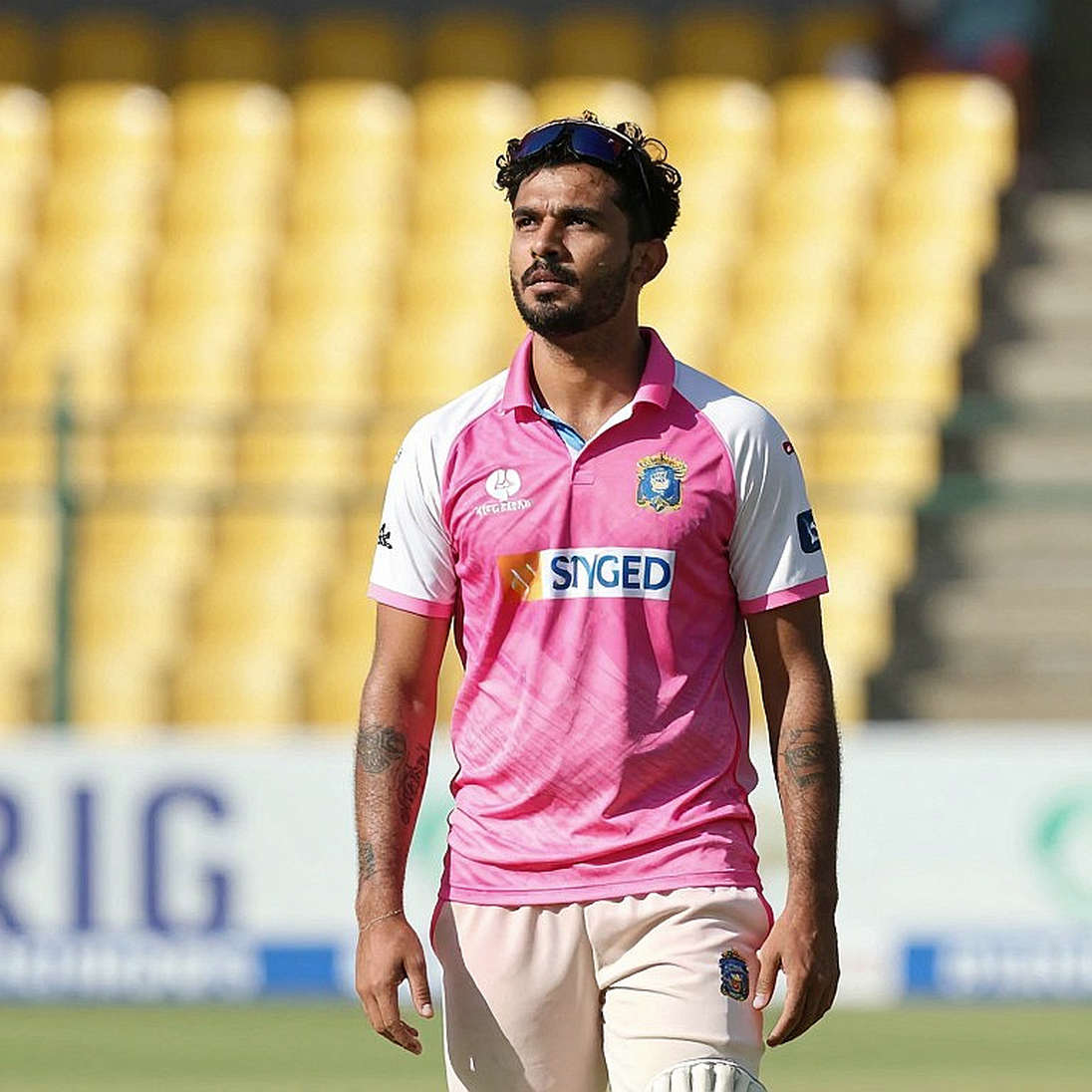
Central conclusion — what is the market really buying? The Pollard–Rowles inversion is no accident; it proves that this market prices not a player's current merit but two things — future potential and local-quota value. Rowles' R2.9m is really a scarcity premium on young South African talent; the U23 tags scattered across the auction — Luus, Majola, King, Maphaka, Simelane, Basson, Mokoena — say exactly that. And Pollard's R1.5m, with no competition, says something else: at 39, his demand in the top T20 market is limited.
Mulder's R2.6m delivers another lesson — auction volatility. A nearly-unsold name, pulled in a two-team duel between Super Kings and MI Cape Town, rose to the third-highest price. That is a positional-scarcity and duel premium, not a quality verdict. And van der Dussen? Unsold in the marquee round, later just R0.5m. Bavuma, an international captain, at only R0.2m — a floor price. This enormous price dispersion (R0.2m to R2.9m, about 14x) shows the SA20 auction is a thin, volatile market — not a smooth salary structure.
The overseas quota was used at the very top end: West Indies (Pollard, Hetmyer, Holder, Russell, Rutherford, Narine, Motie), England (Vince, Jacks, Salt, Overton, Curran, Livingstone, Root, Lawrence, Rew, Coles), Australia (Short, Marsh), New Zealand (Boult, Conway, Williamson, Milne), Afghanistan (Rashid Khan, Mujeeb, Omarzai), Bangladesh (Rishad Hossain), Zimbabwe (Raza) — even Jersey (Asa Tribe) surfaced. So SA20 is not merely a development league; it competes for premium international talent.
Contrarian — where we misread it
Here is my objection. We often read auction prices as a sporting verdict on a player — who got paid, who didn't, then draw good-or-bad conclusions. That is the night's biggest trap. A name's price and a team's balance are not the same thing. Joburg spent the biggest purse, but their biggest risk sits there too — Pollard (39) and du Plessis are both post-peak, on the declining side of the age curve. At the same time, buying an U19 talent for R2.9m is a huge bet on potential, with an uncertain return on investment. Two risks, pointing in opposite directions.

Second blind spot: overseas dependency. Such a deep overseas quota means the SA20 product actually depends on other boards' NOC cooperation. NOCs for English, Australian, New Zealand and West Indian players, plus calendar clashes — that risk never shows up on the price table, yet it can have the biggest on-field impact. And one more point: Pretoria's budget limit plus Durban's and Paarl's completed quotas reveal the picture — a haves/have-nots split inside a single league. In a fully commercial competition, that imbalance cannot be hidden.
Takeaway — what to watch next
Three questions stay open. One, Rowles' R2.9m — by season's end, a genius bet or a lesson in over-valuation? Two, Pollard's R1.5m — will 39-year-old experience prove to be cheap gold? Three, the R42m cap — will it rise further next season and pull in more overseas stars, or push the local U23 bet harder? The auction table is always finally written on the field. I will simply wait — and keep the notebook open.